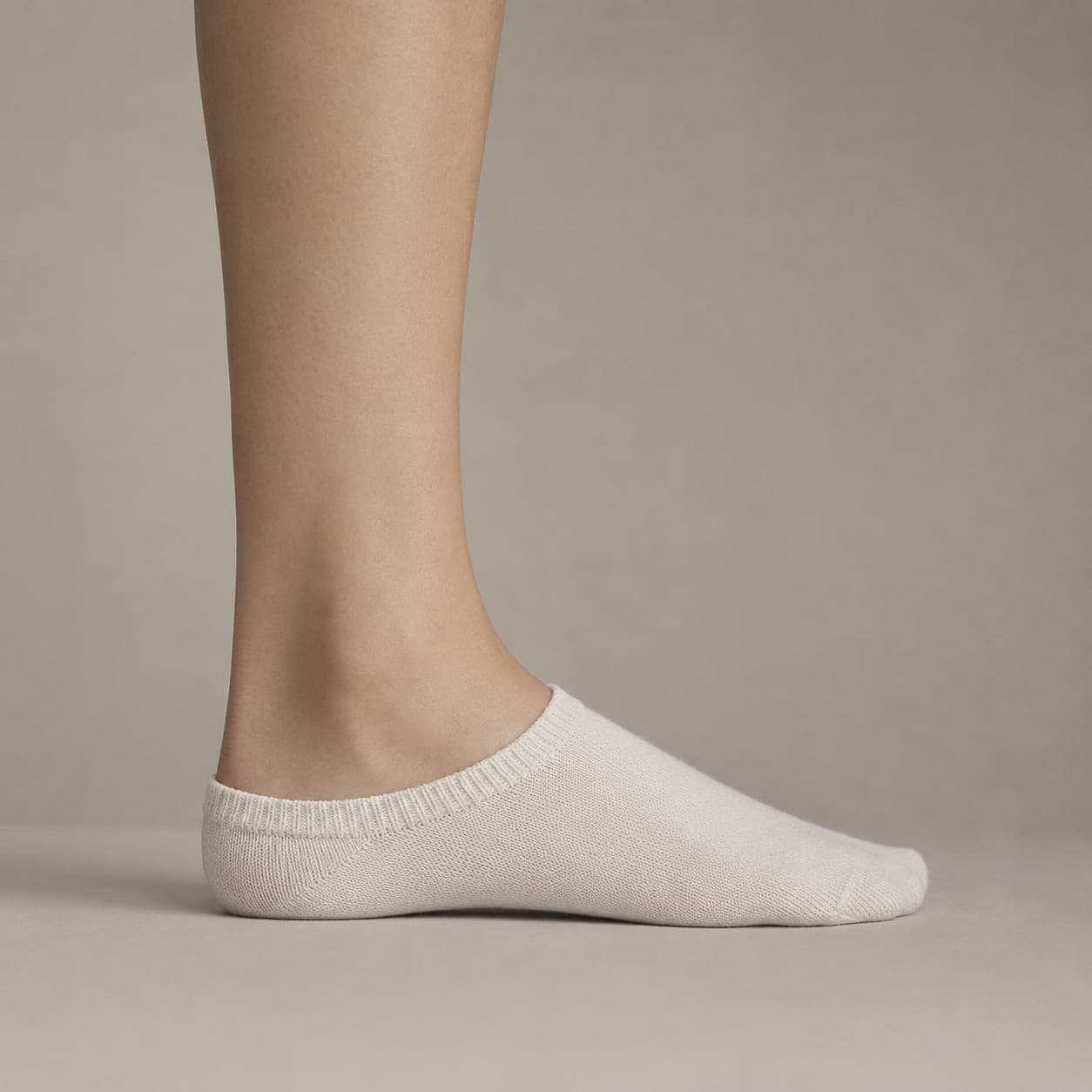
46mm cuff
for openings up to 62 mm
Boat 46
USD 10No silicone
9 mm of clearance in your shoe
Shoe Line
We do not ask what shoe you own. We ask for one number, and we answer with the socks that sit under it — or with nothing, if we do not make one that does.
Between 5 and 16 mm below your opening, closest first. The highest cuff that still sits below the opening is the one with the most fabric holding it on.
for openings up to 62 mm
USD 10No silicone
9 mm of clearance in your shoe
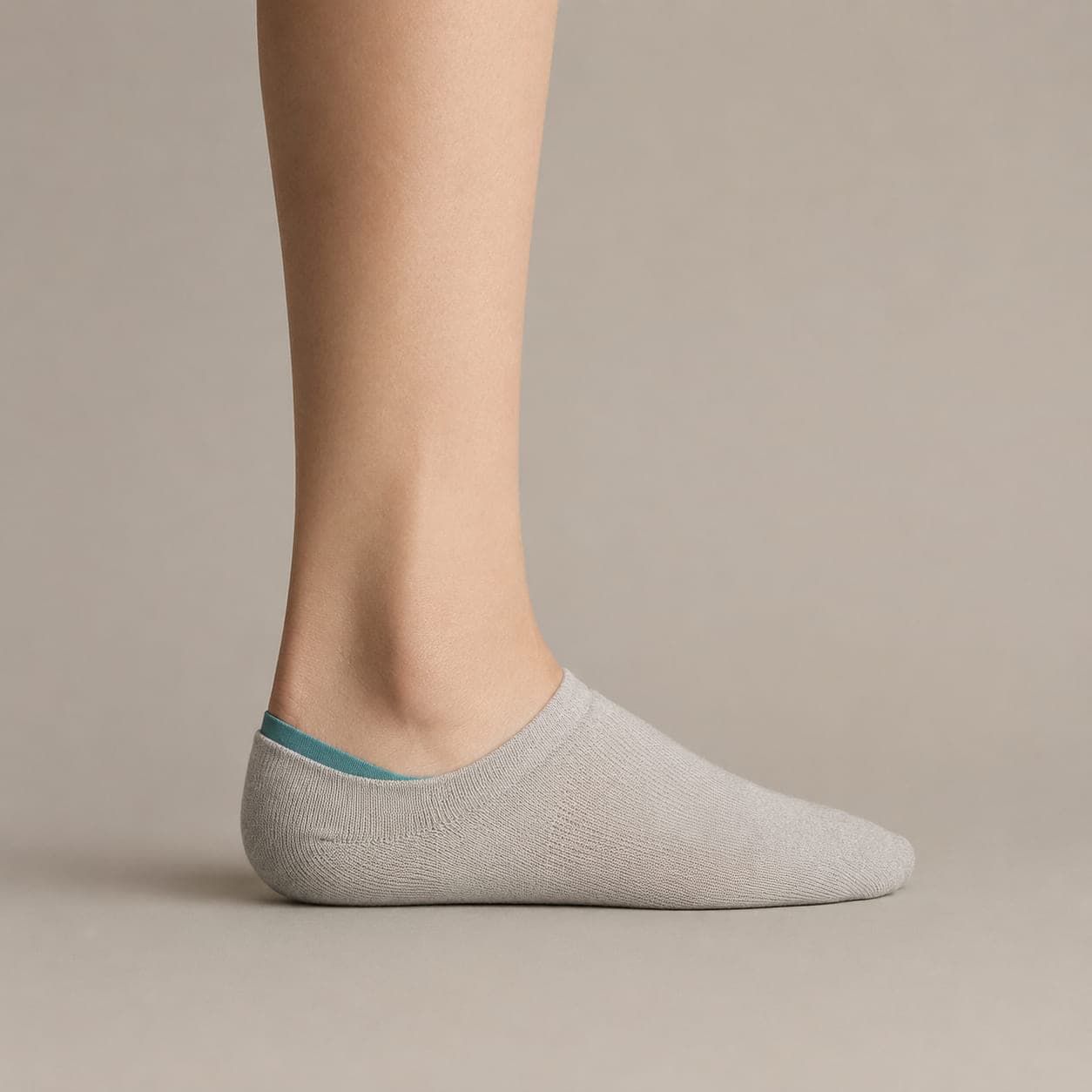
for openings up to 58 mm
USD 14With silicone
13 mm of clearance in your shoe
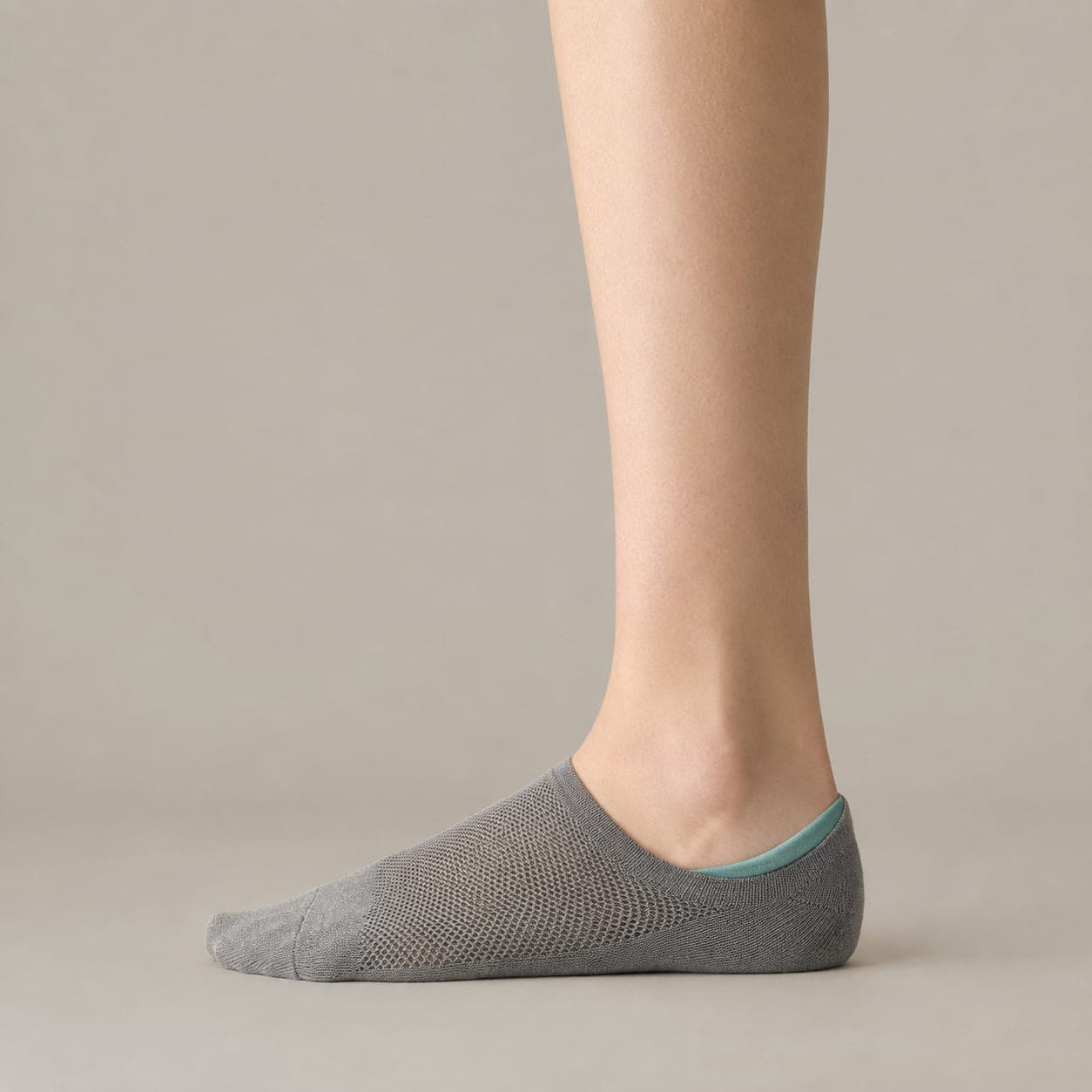
for openings up to 58 mm
USD 18With silicone
13 mm of clearance in your shoe
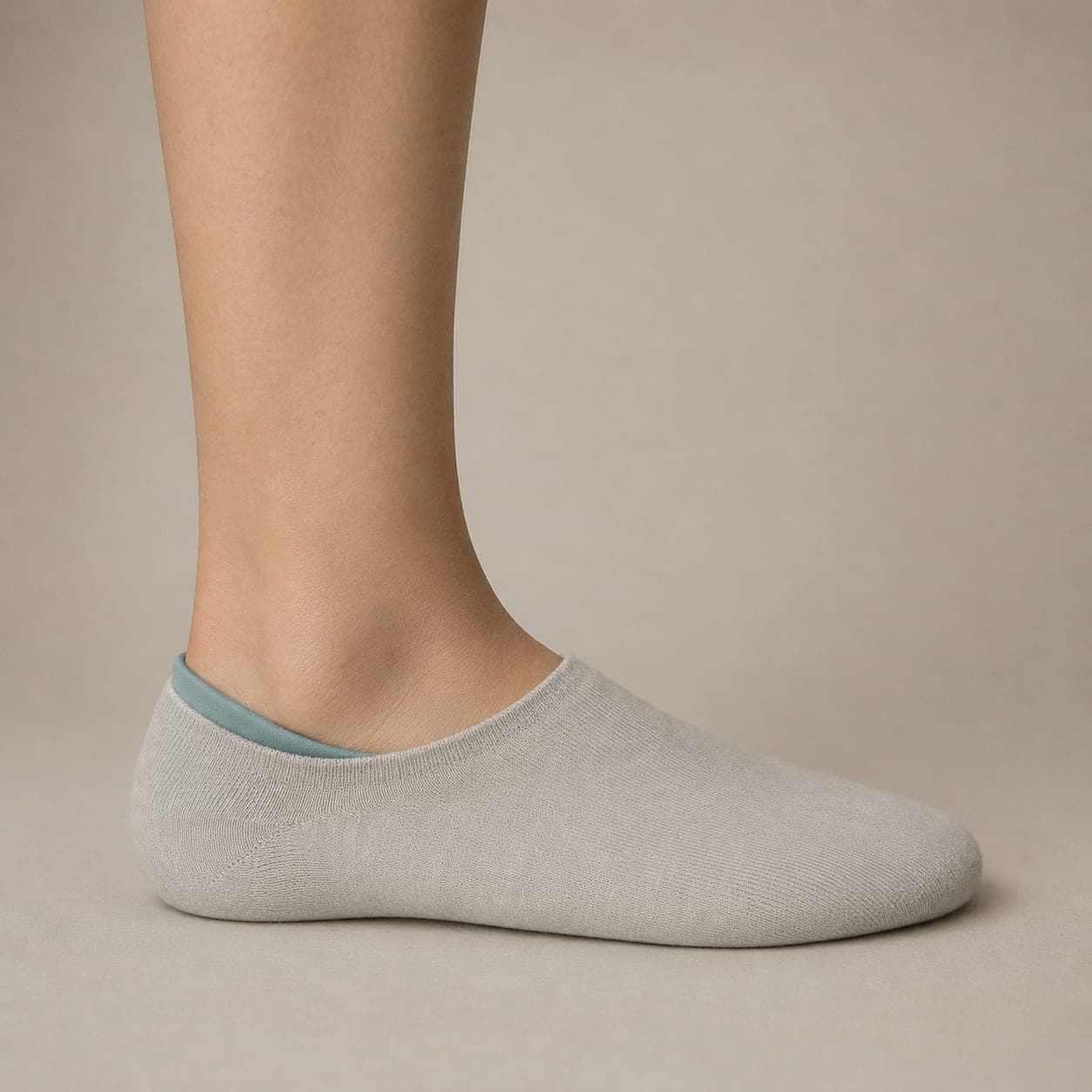
for openings up to 58 mm
USD 22With silicone
13 mm of clearance in your shoe
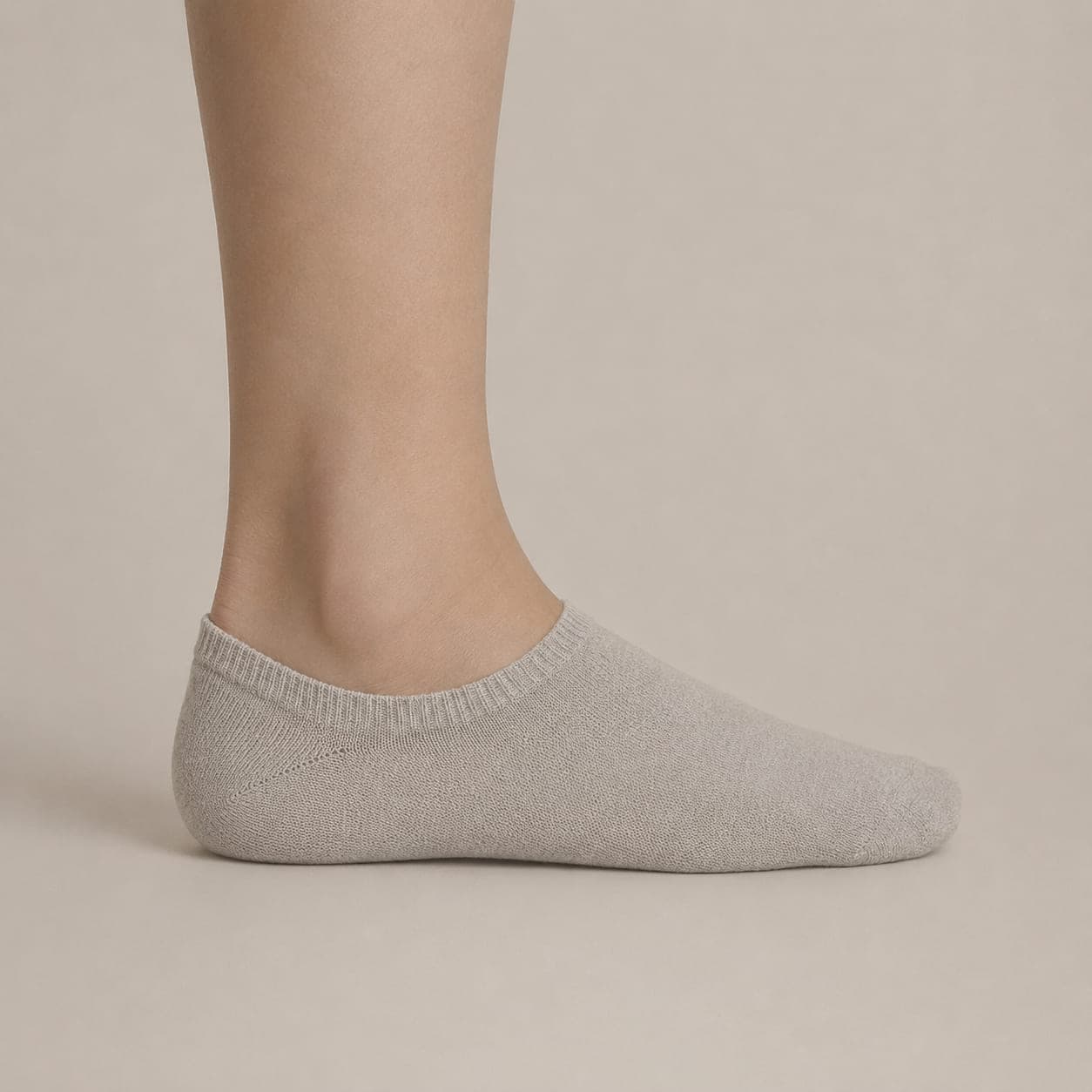
for openings up to 58 mm
USD 18No silicone
13 mm of clearance in your shoe
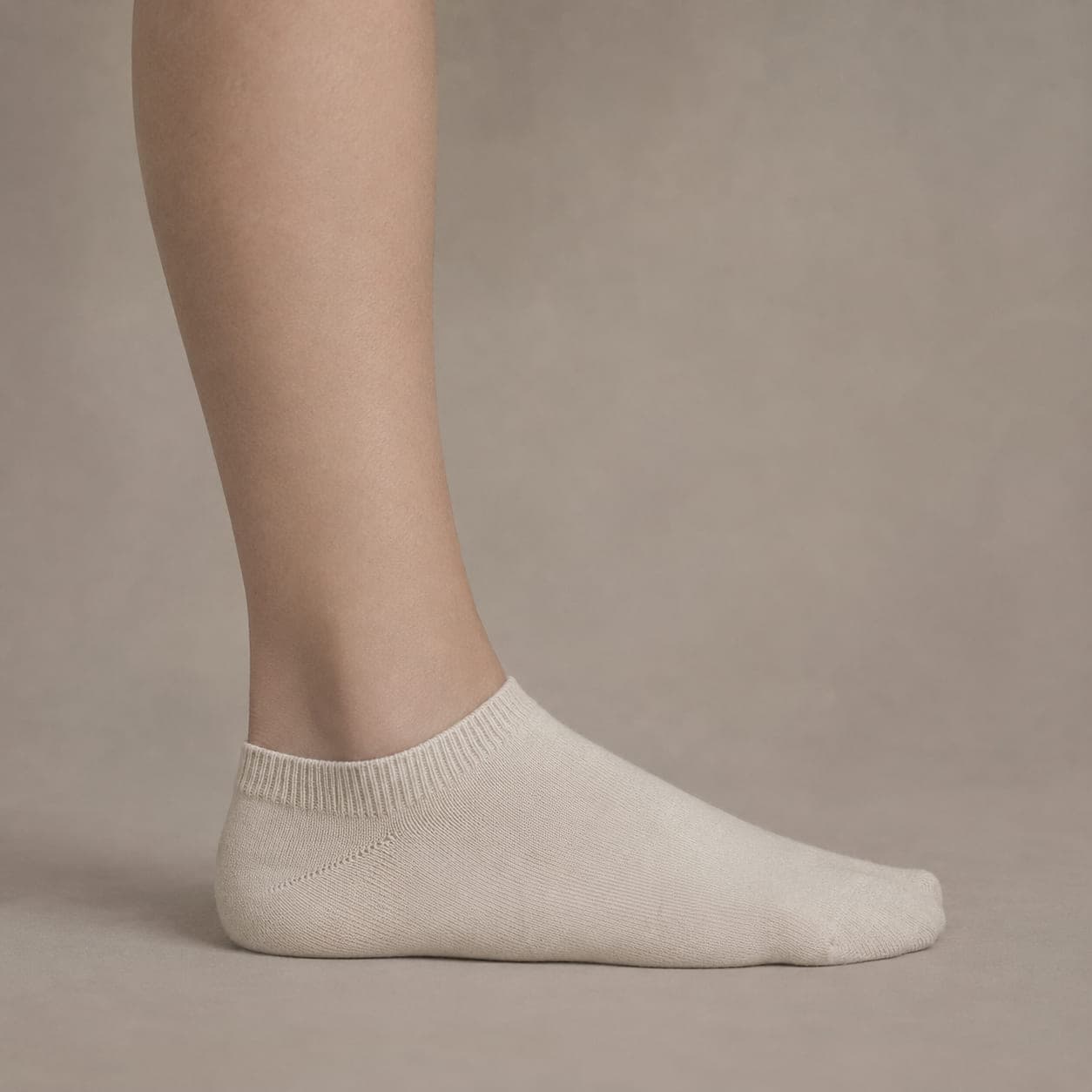
for openings up to 58 mm
USD 22No silicone
13 mm of clearance in your shoe
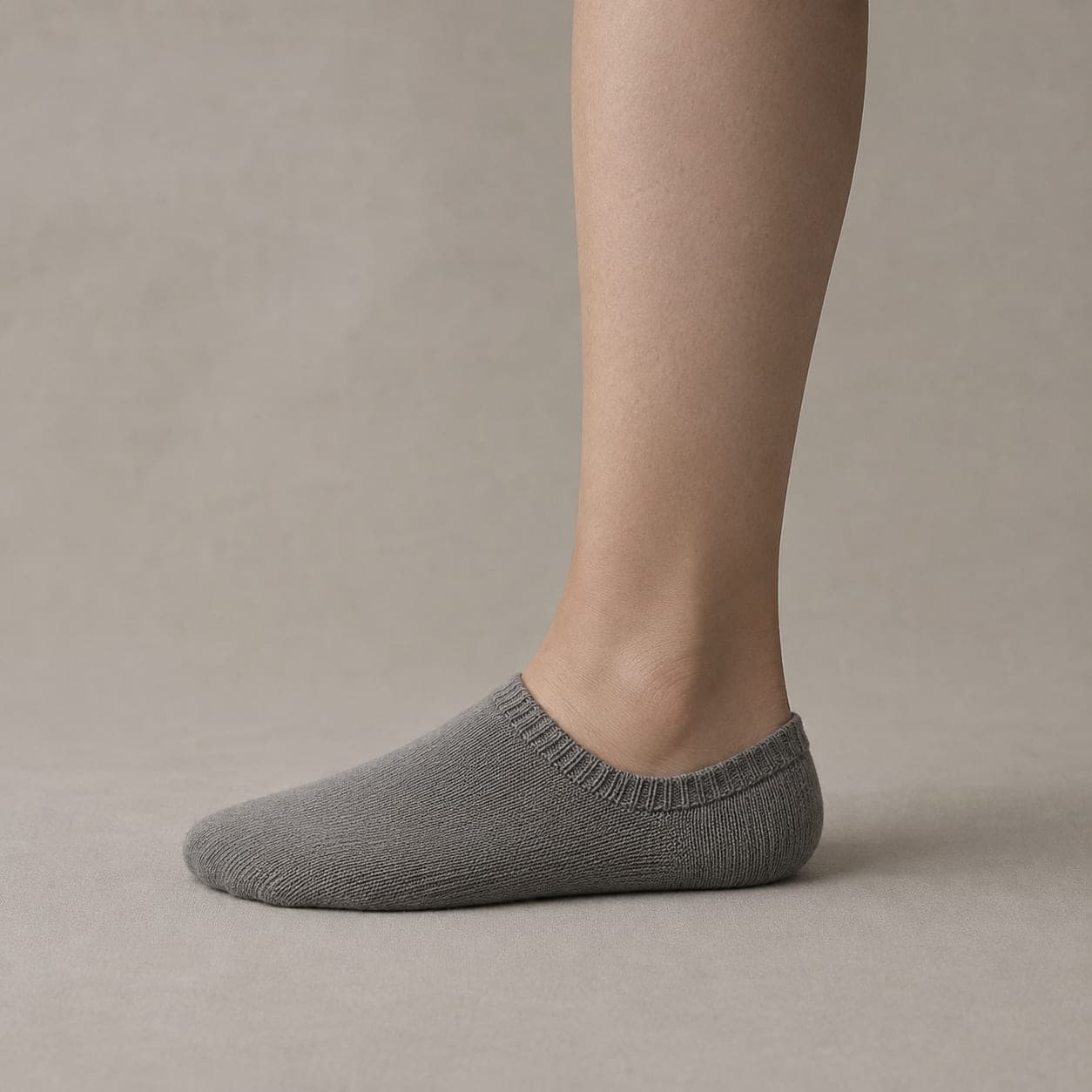
for openings up to 58 mm
USD 26No silicone
13 mm of clearance in your shoe
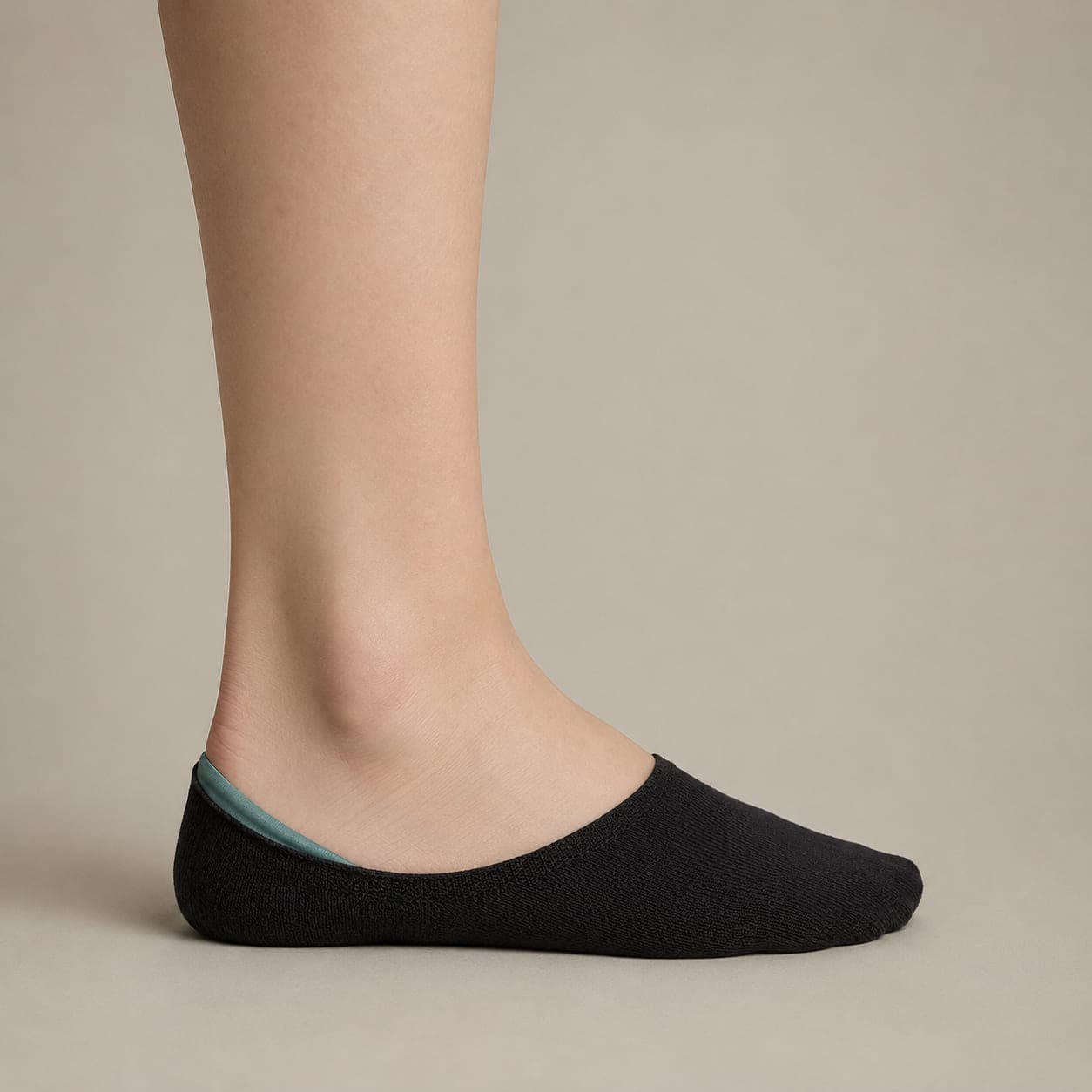
for openings up to 56 mm
USD 26With siliconeSealed
15 mm of clearance in your shoe
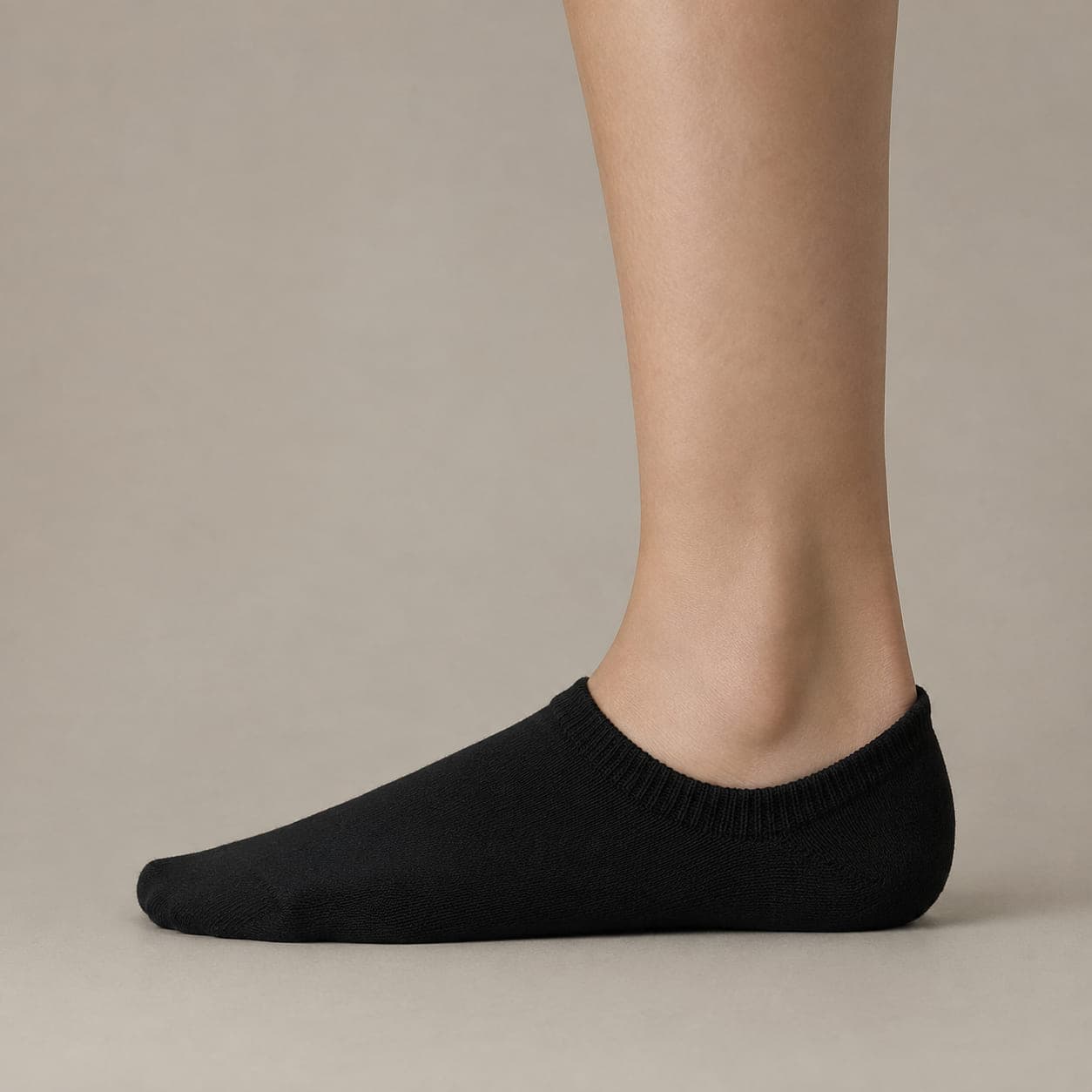
for openings up to 56 mm
USD 30No siliconeSealed
15 mm of clearance in your shoe
Under 5 mm of clearance. These sit below your opening on paper, but that margin disappears as soon as the shoe flexes. Expect them to show at least some of the time.
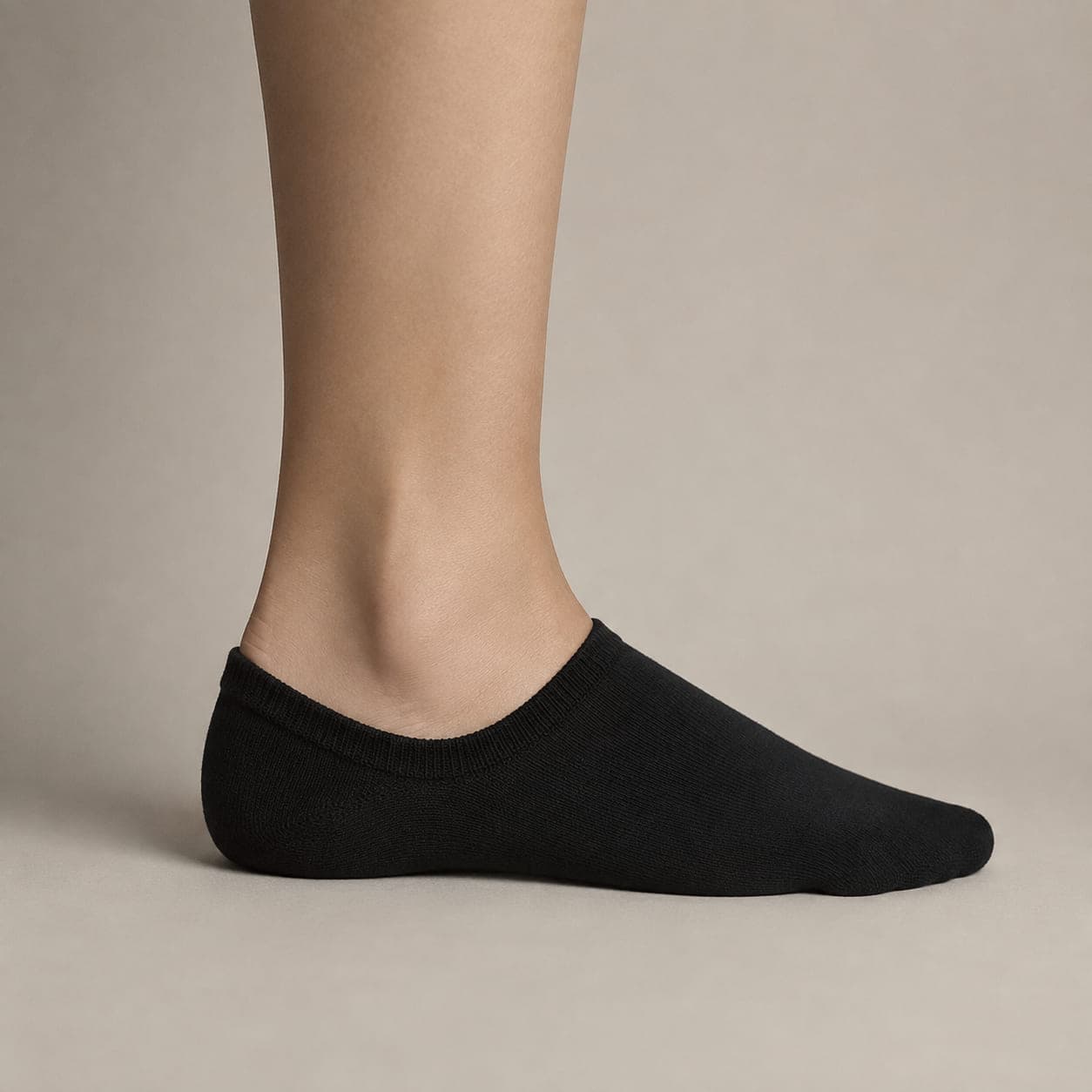
for openings up to 68 mm
USD 12No silicone
3 mm of clearance in your shoe — very close, it may show when you walk
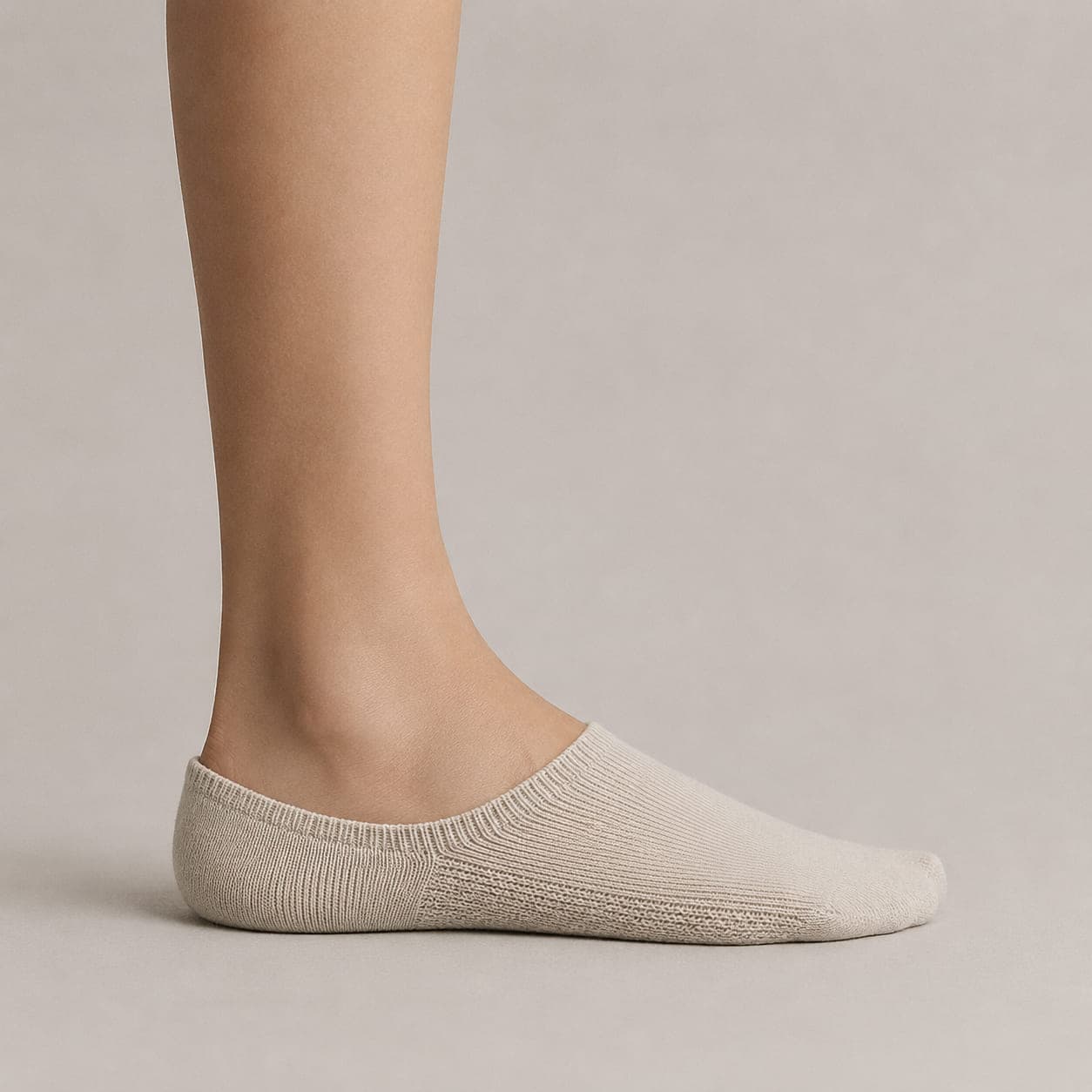
for openings up to 68 mm
USD 18No silicone
3 mm of clearance in your shoe — very close, it may show when you walk
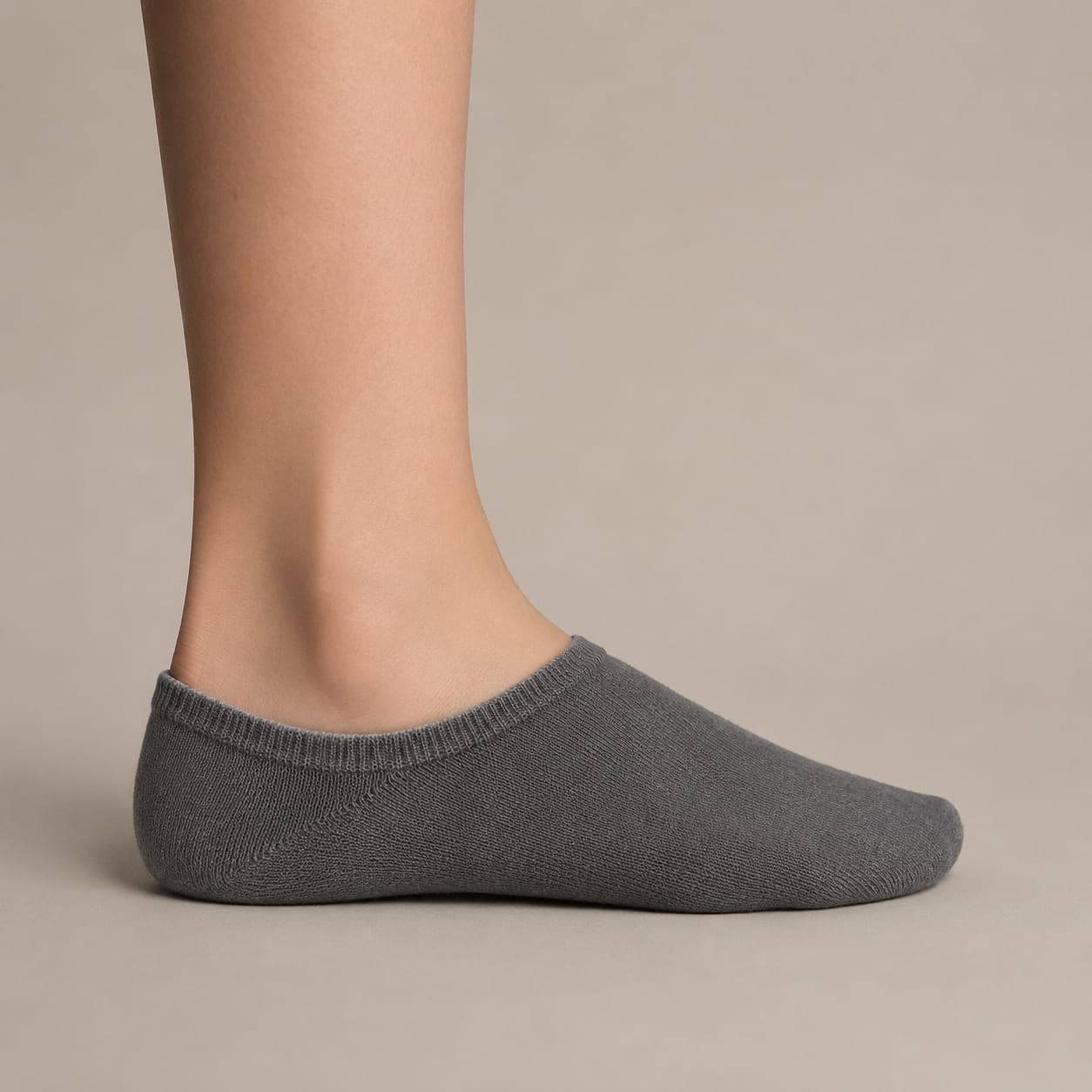
for openings up to 68 mm
USD 16No silicone
3 mm of clearance in your shoe — very close, it may show when you walk
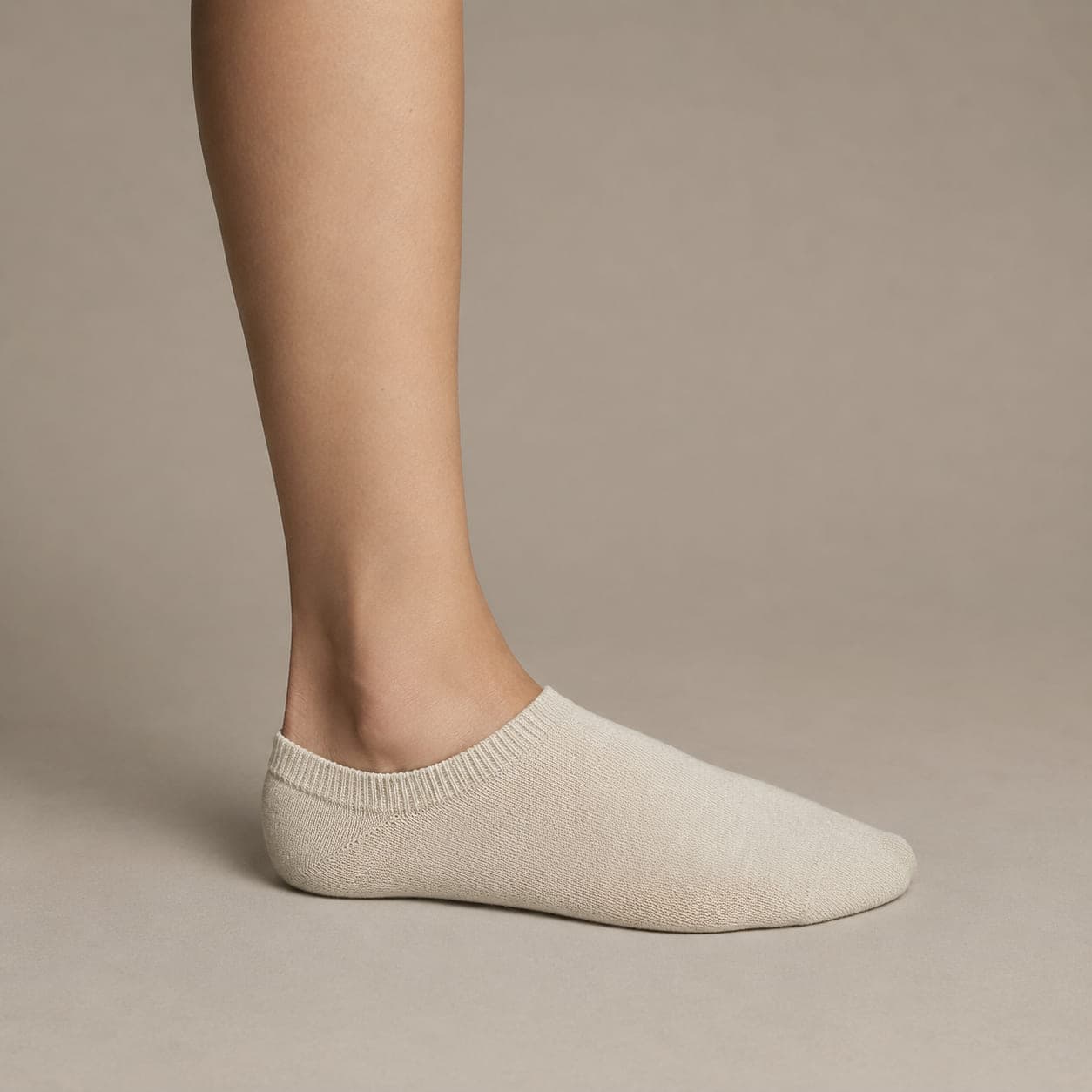
for openings up to 68 mm
USD 20No silicone
3 mm of clearance in your shoe — very close, it may show when you walk
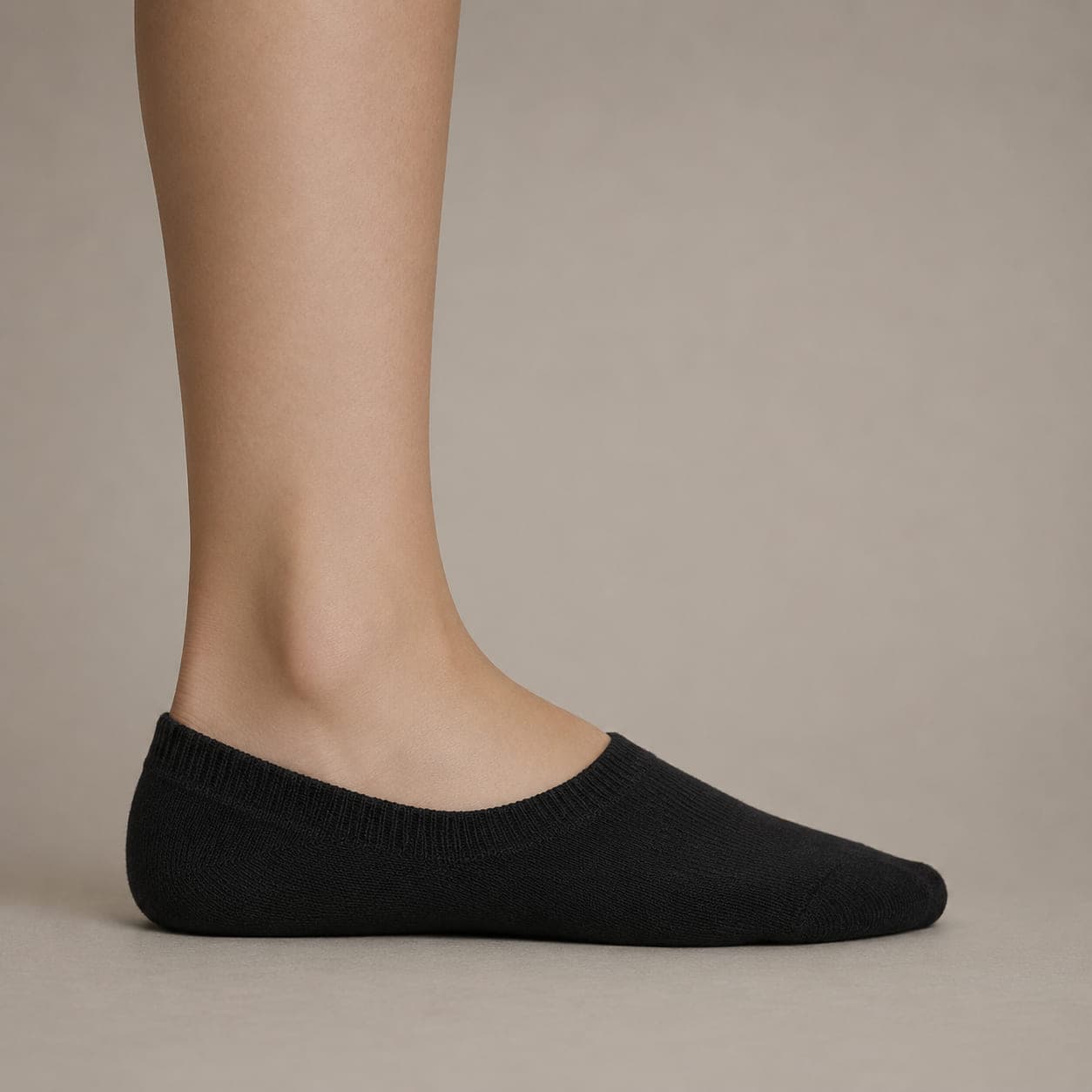
for openings up to 68 mm
USD 24No siliconeSealed
3 mm of clearance in your shoe — very close, it may show when you walk
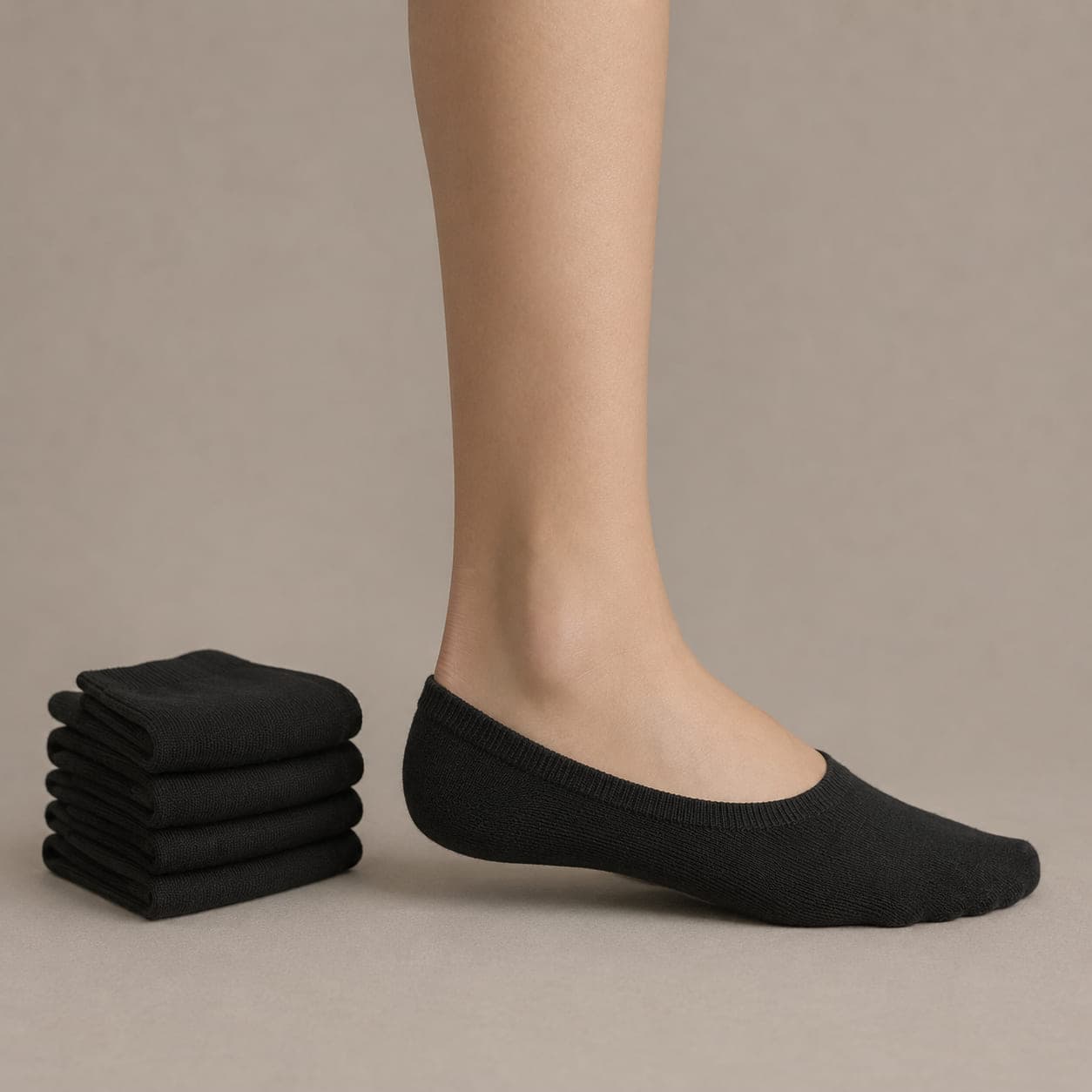
for openings up to 68 mm
USD 52No siliconeSealed
3 mm of clearance in your shoe — very close, it may show when you walk
These sit more than 16 mm below your opening. They will be hidden, but there is a lot of bare skin inside the shoe, which some people find rubs.
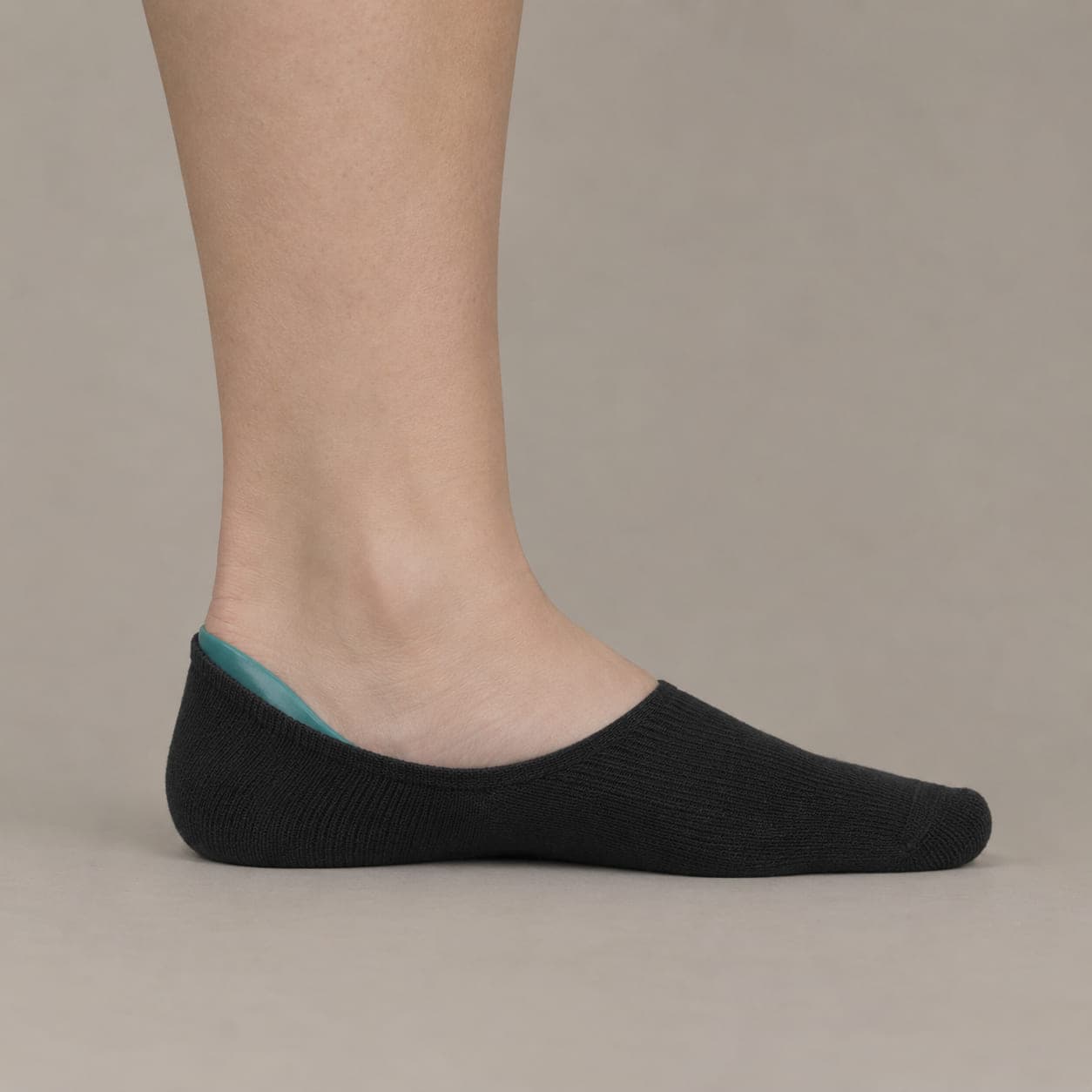
for openings up to 54 mm
USD 12With silicone
17 mm of clearance in your shoe
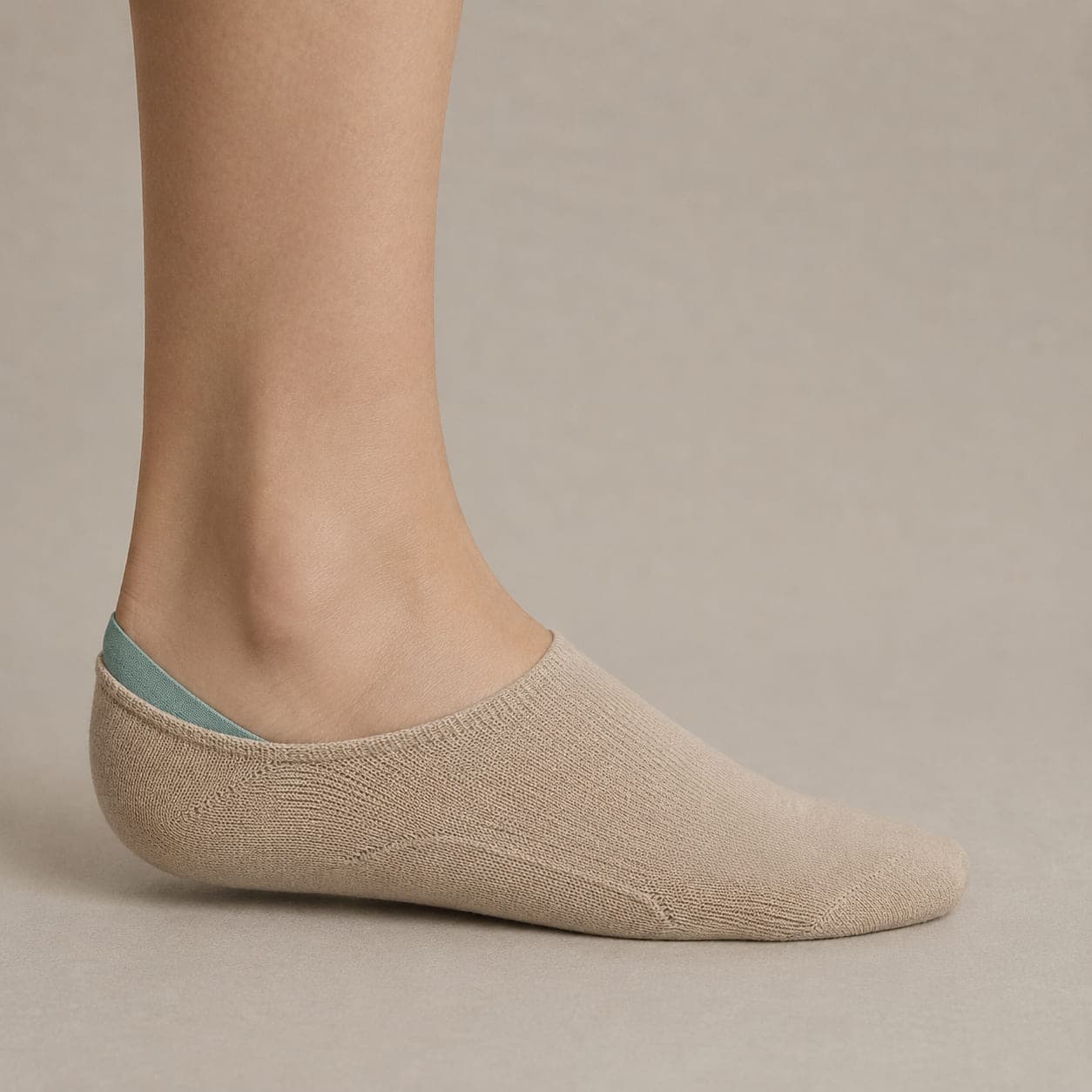
for openings up to 54 mm
USD 18With silicone
17 mm of clearance in your shoe
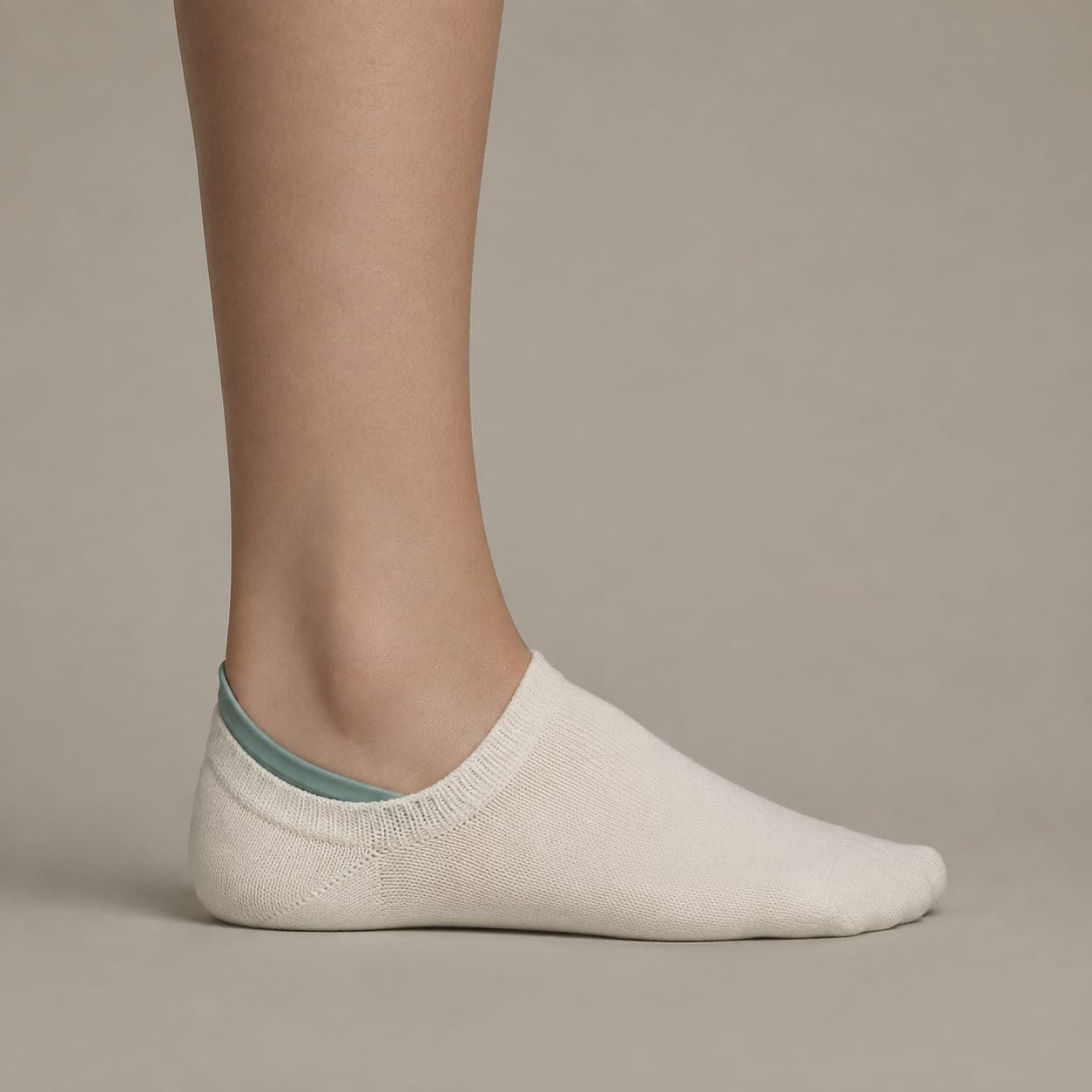
for openings up to 54 mm
USD 16With silicone
17 mm of clearance in your shoe
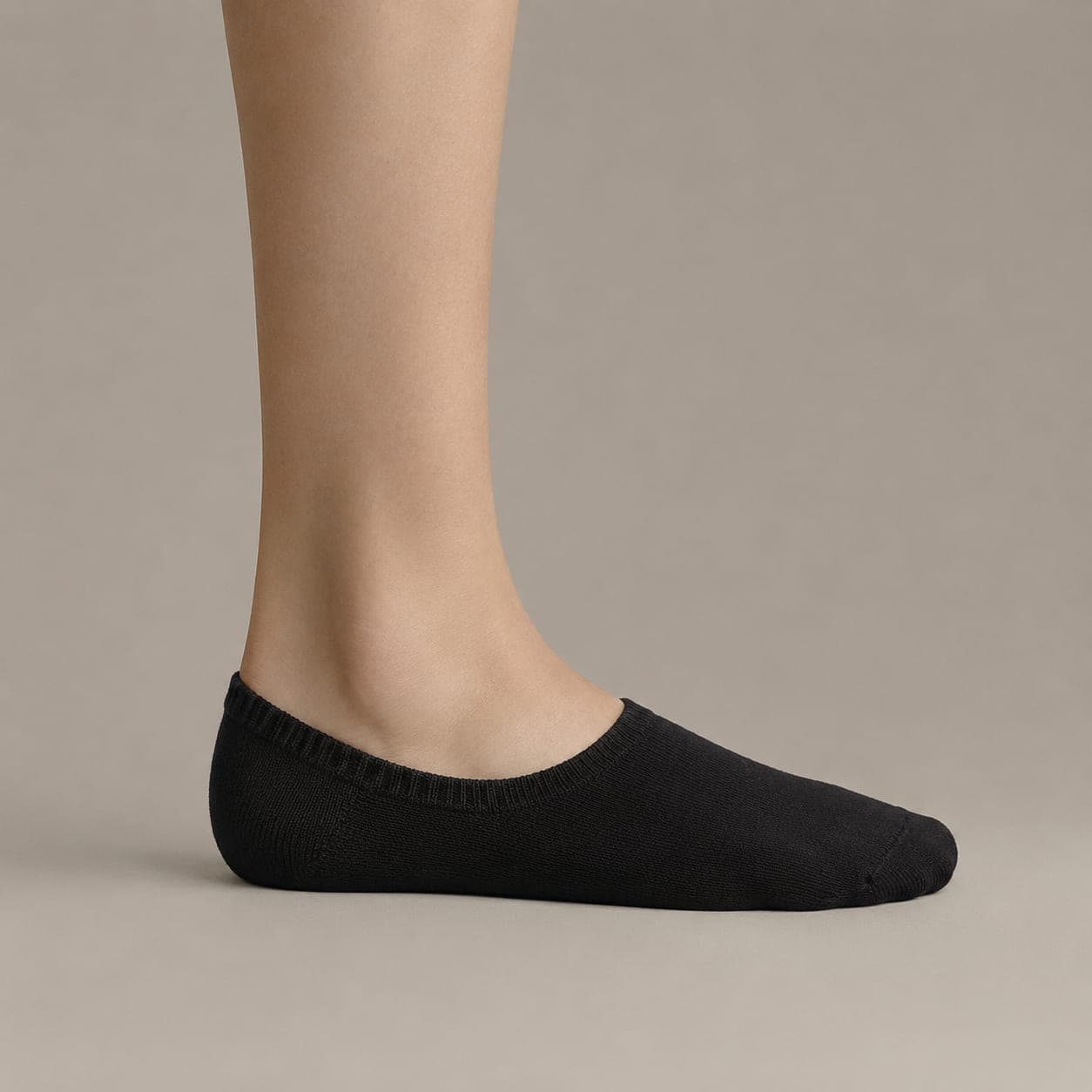
for openings up to 54 mm
USD 16No silicone
17 mm of clearance in your shoe
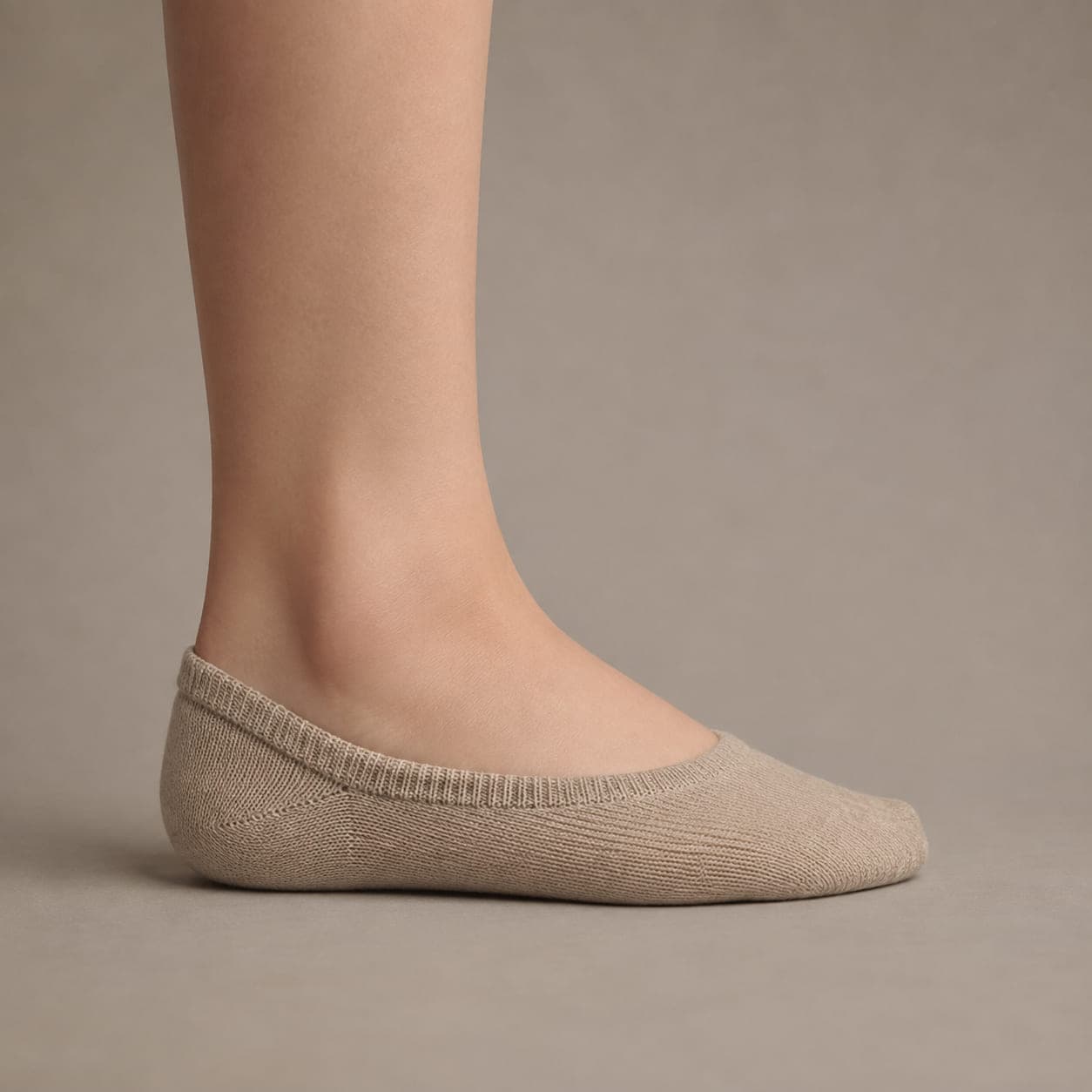
for openings up to 54 mm
USD 22No silicone
17 mm of clearance in your shoe
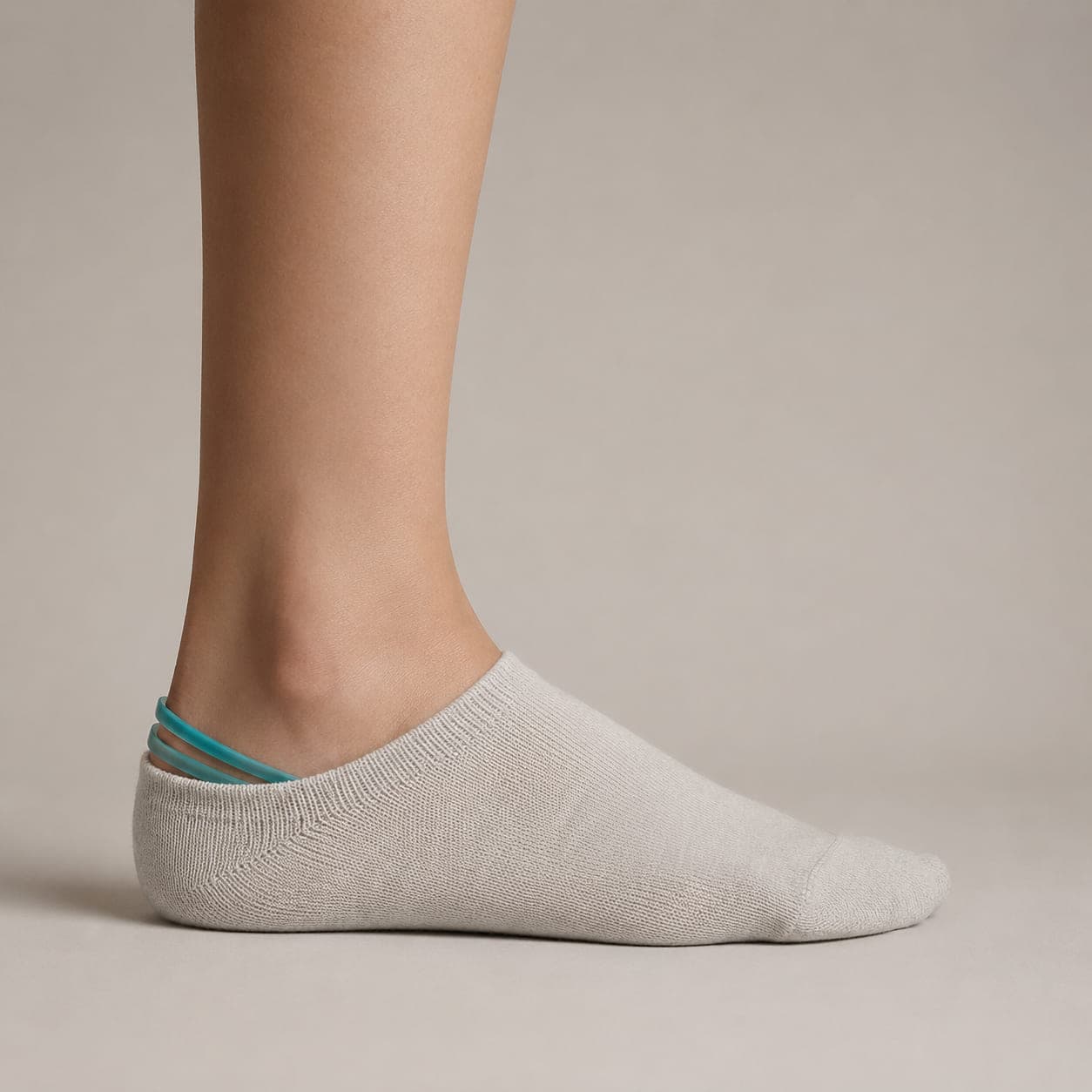
for openings up to 54 mm
USD 24With silicone
17 mm of clearance in your shoe
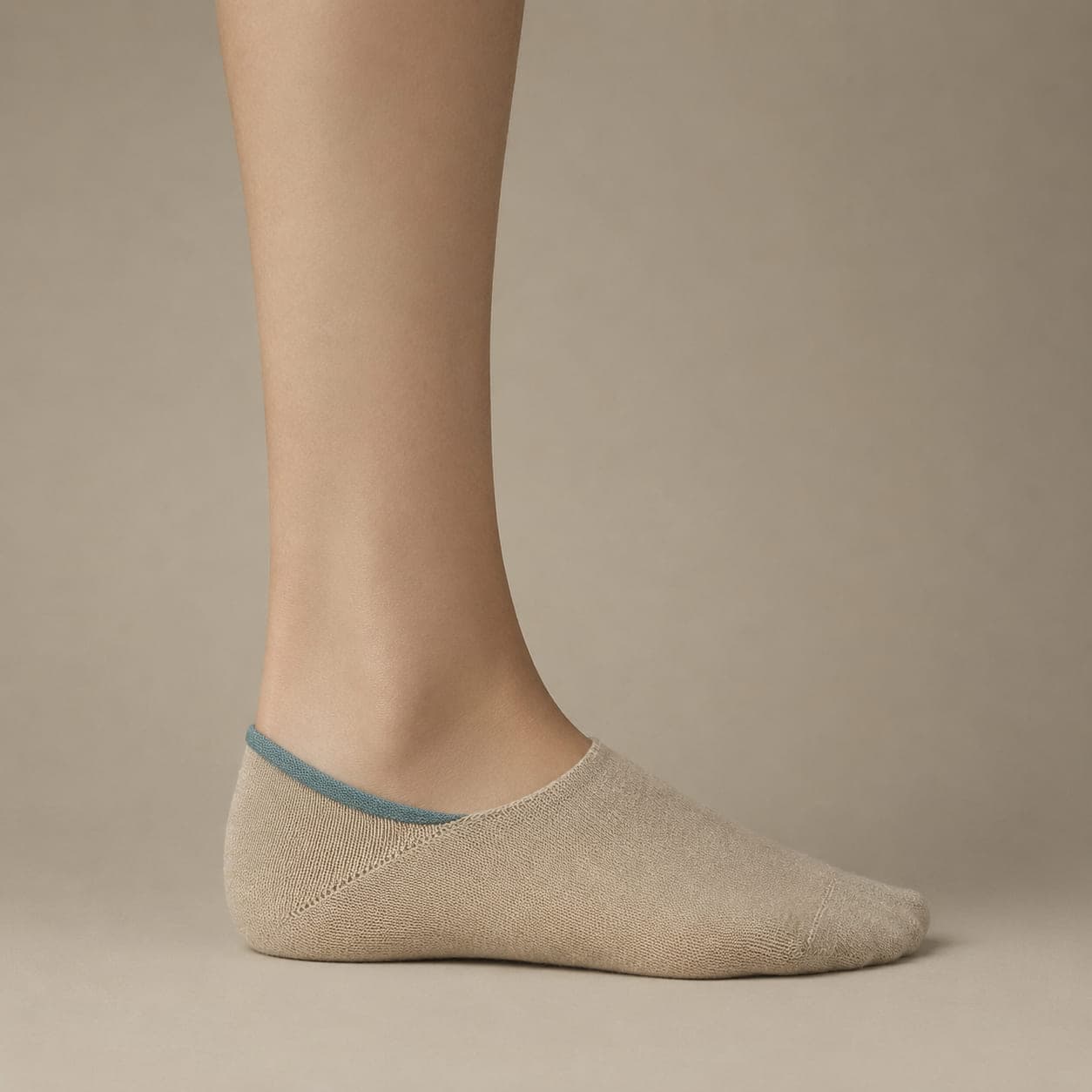
for openings up to 54 mm
USD 28With silicone
17 mm of clearance in your shoe
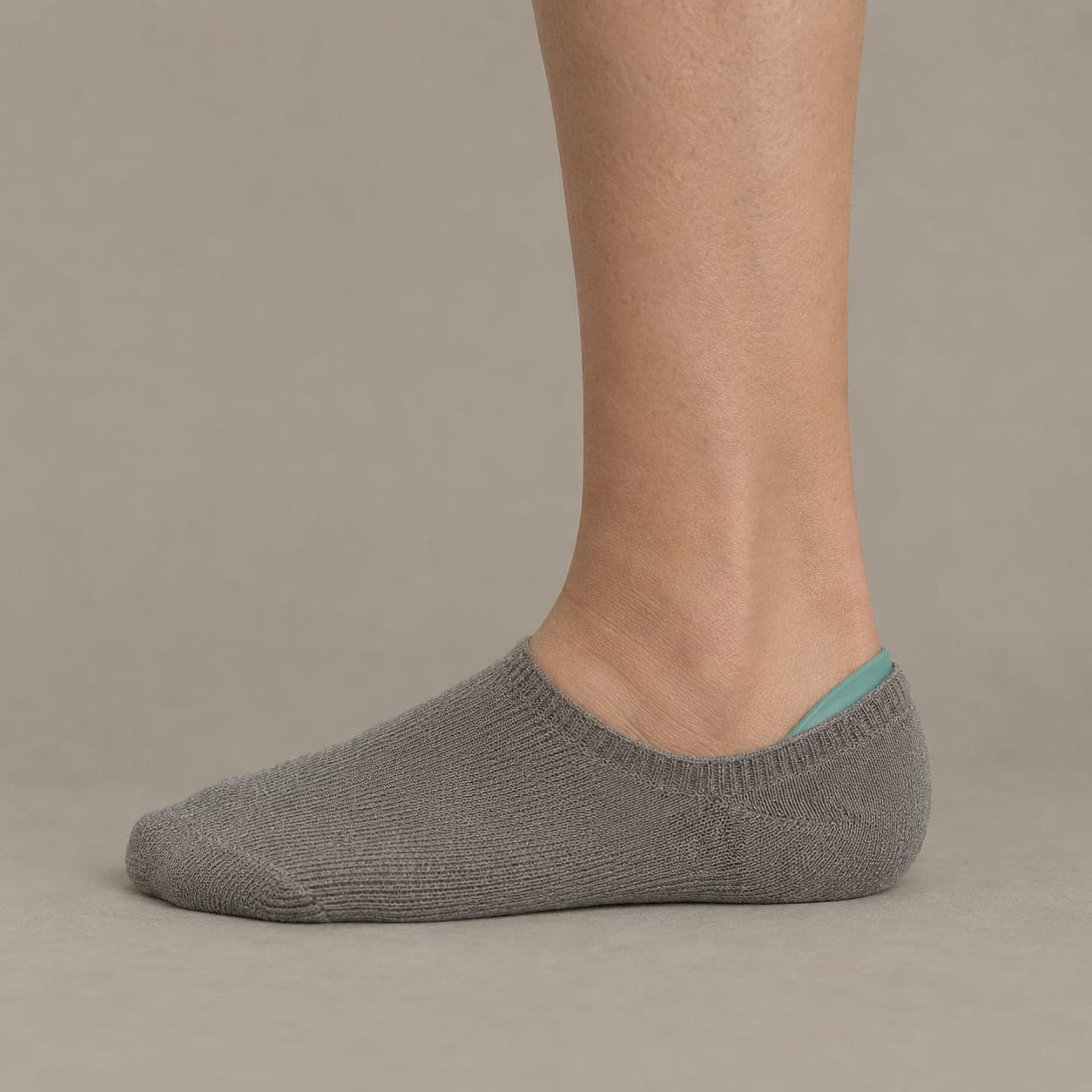
for openings up to 54 mm
USD 30With silicone
17 mm of clearance in your shoe
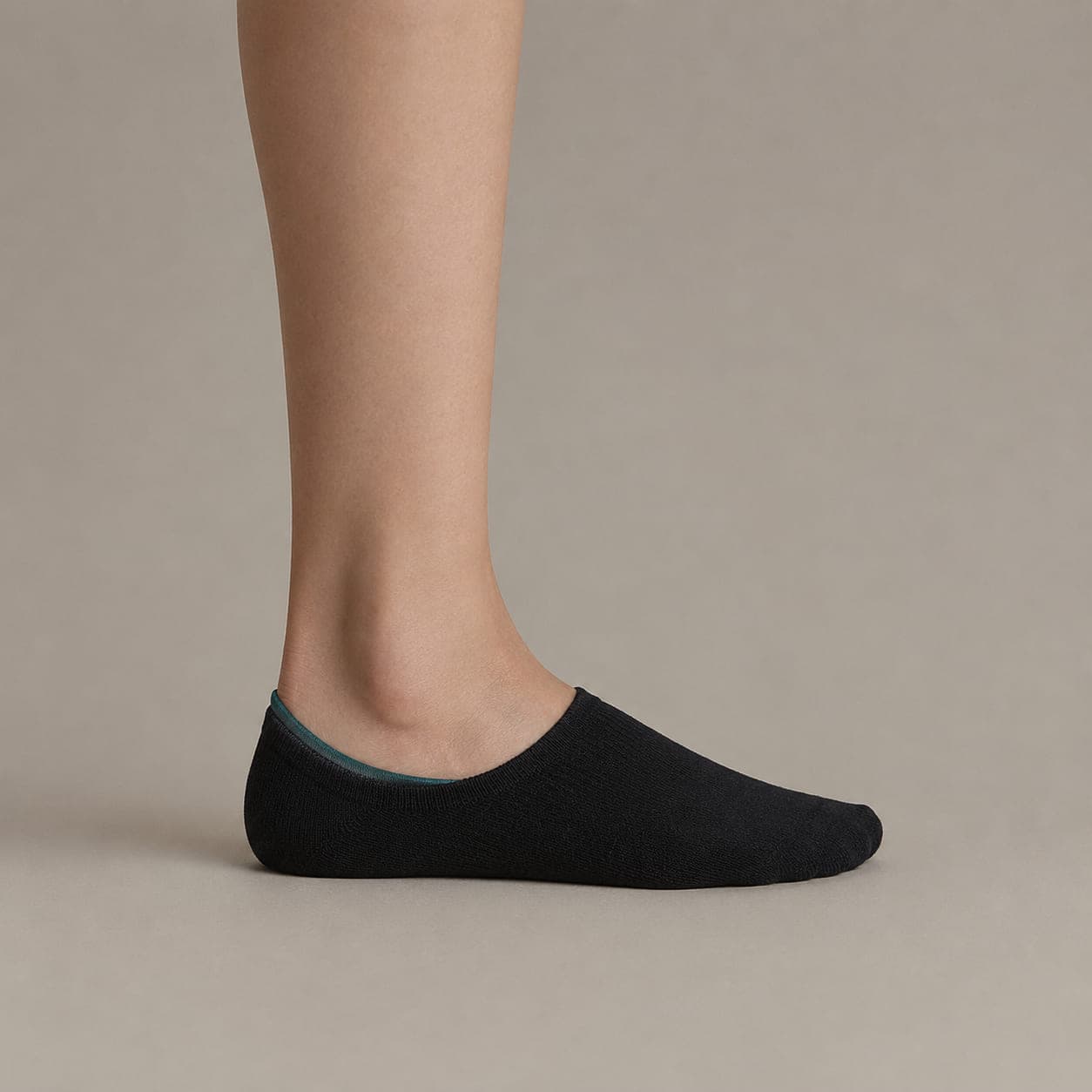
for openings up to 54 mm
USD 34With siliconeSealed
17 mm of clearance in your shoe
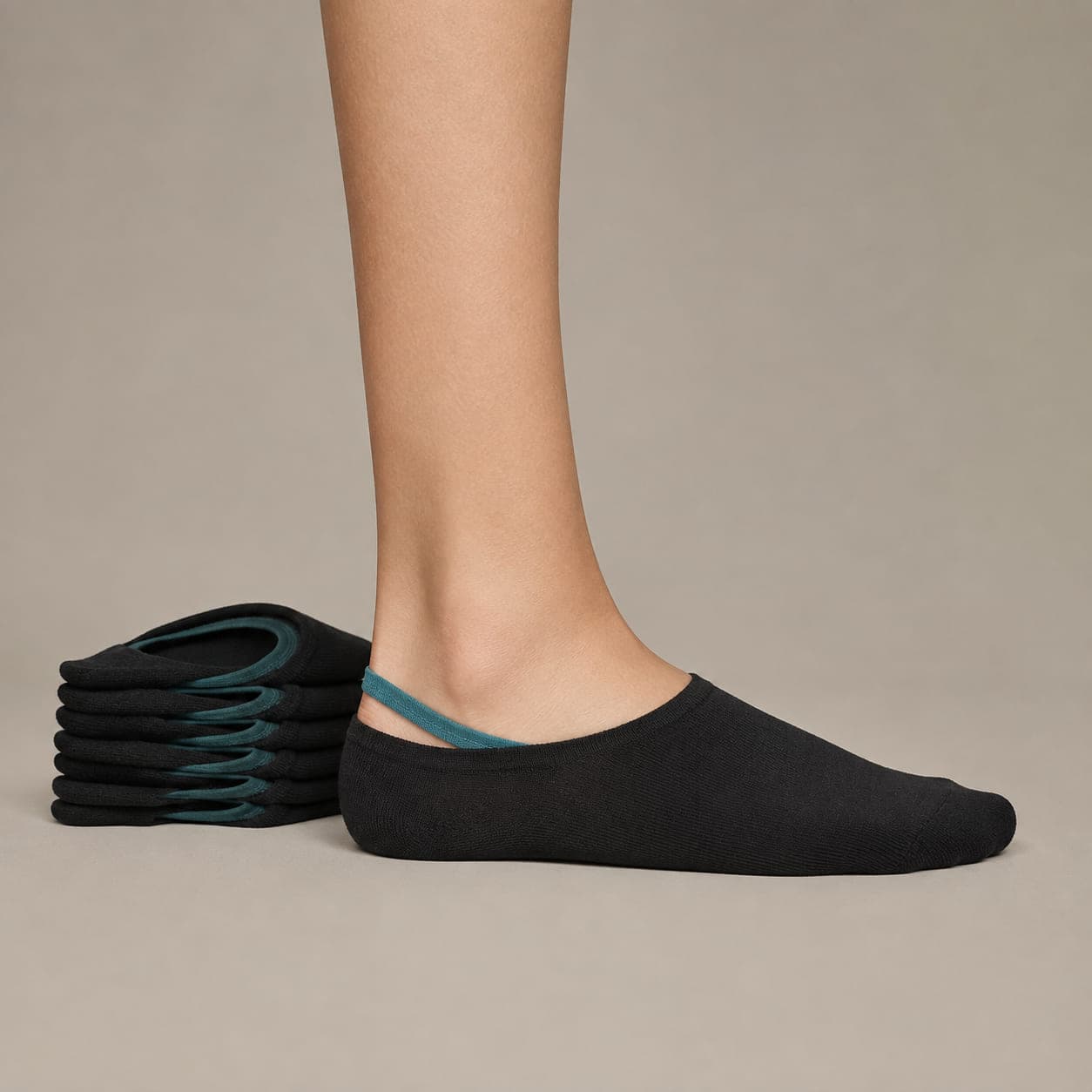
for openings up to 54 mm
USD 28With siliconeSealed
17 mm of clearance in your shoe
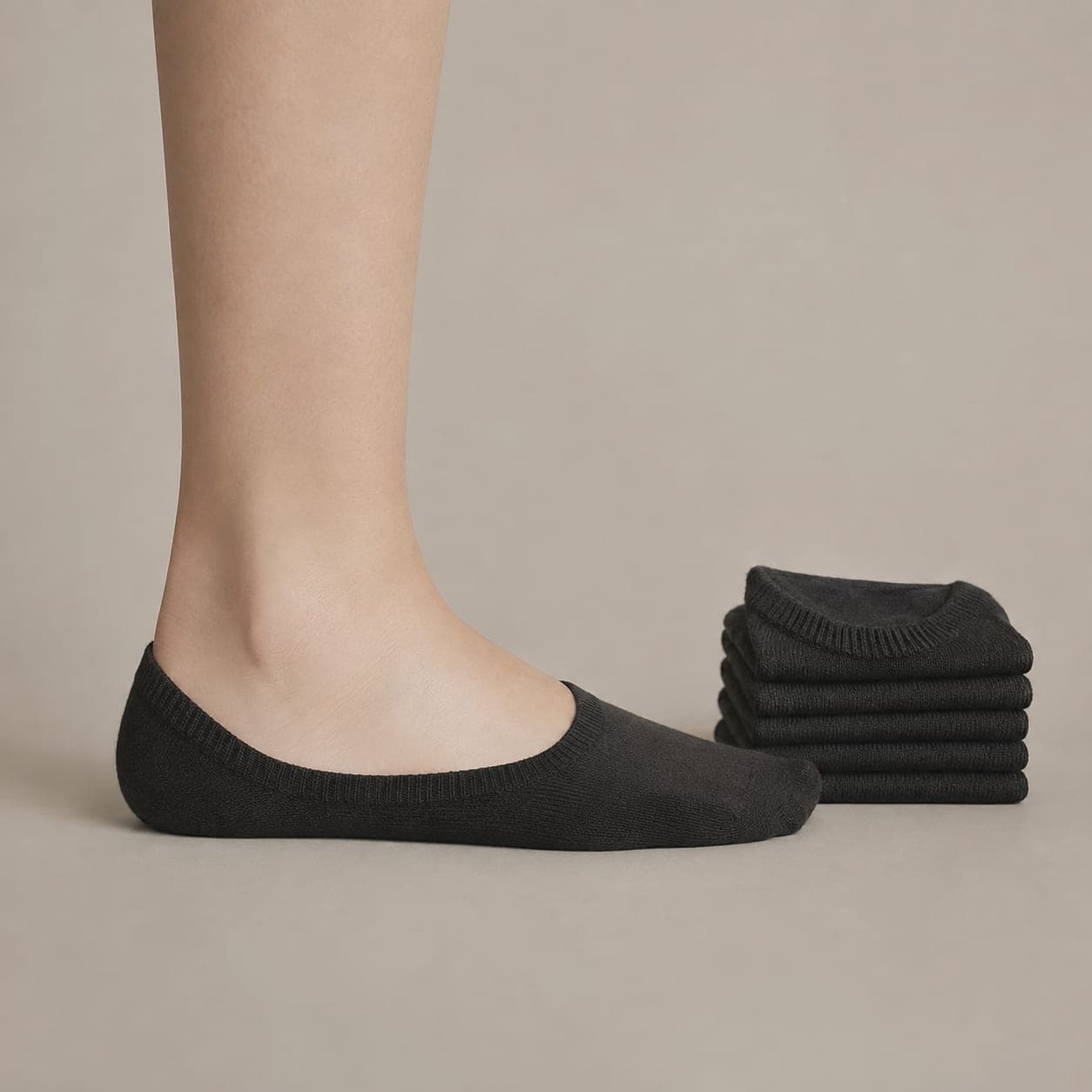
for openings up to 54 mm
USD 42No siliconeSealed
17 mm of clearance in your shoe
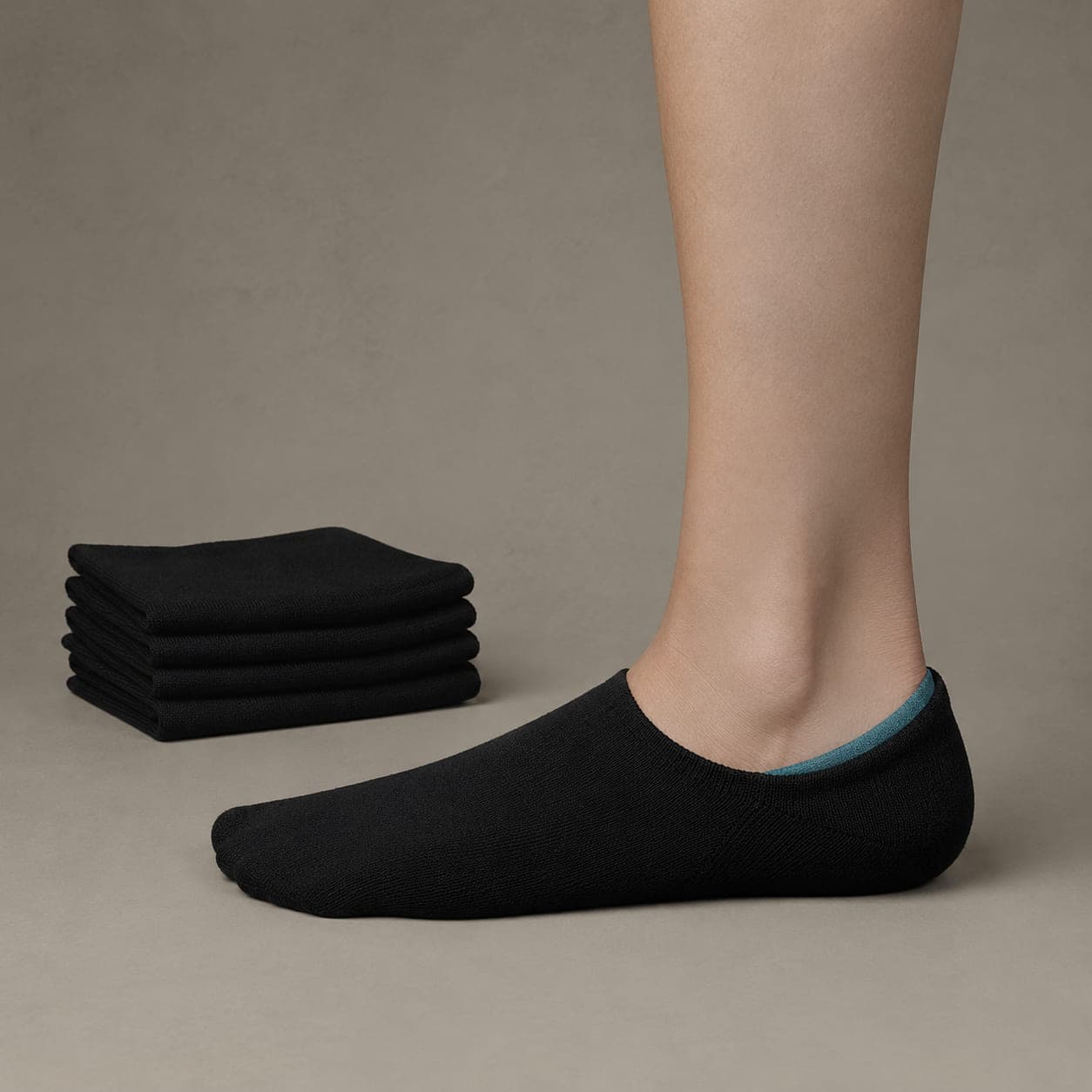
for openings up to 54 mm
USD 46With siliconeSealed
17 mm of clearance in your shoe
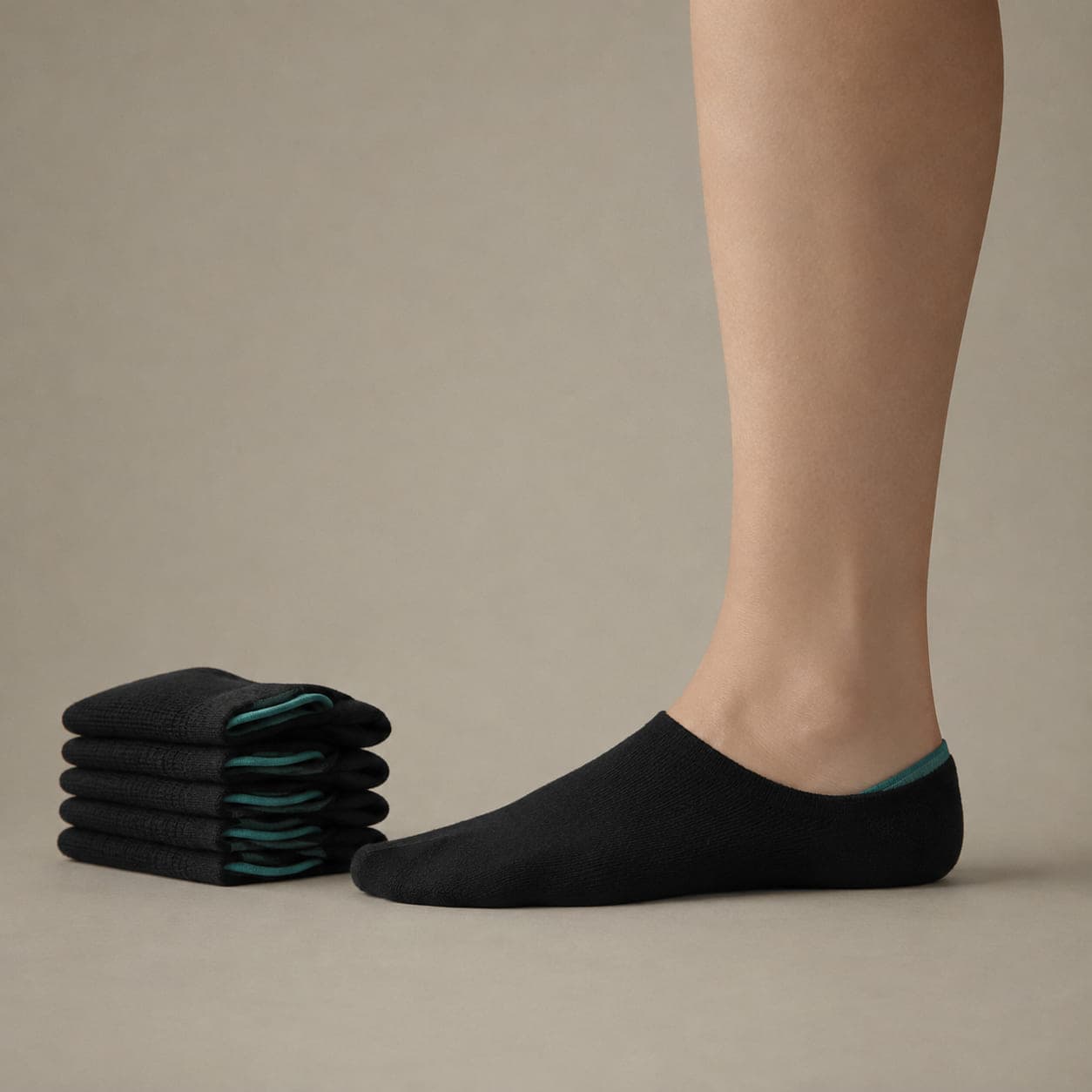
for openings up to 54 mm
USD 112With siliconeSealed
17 mm of clearance in your shoe
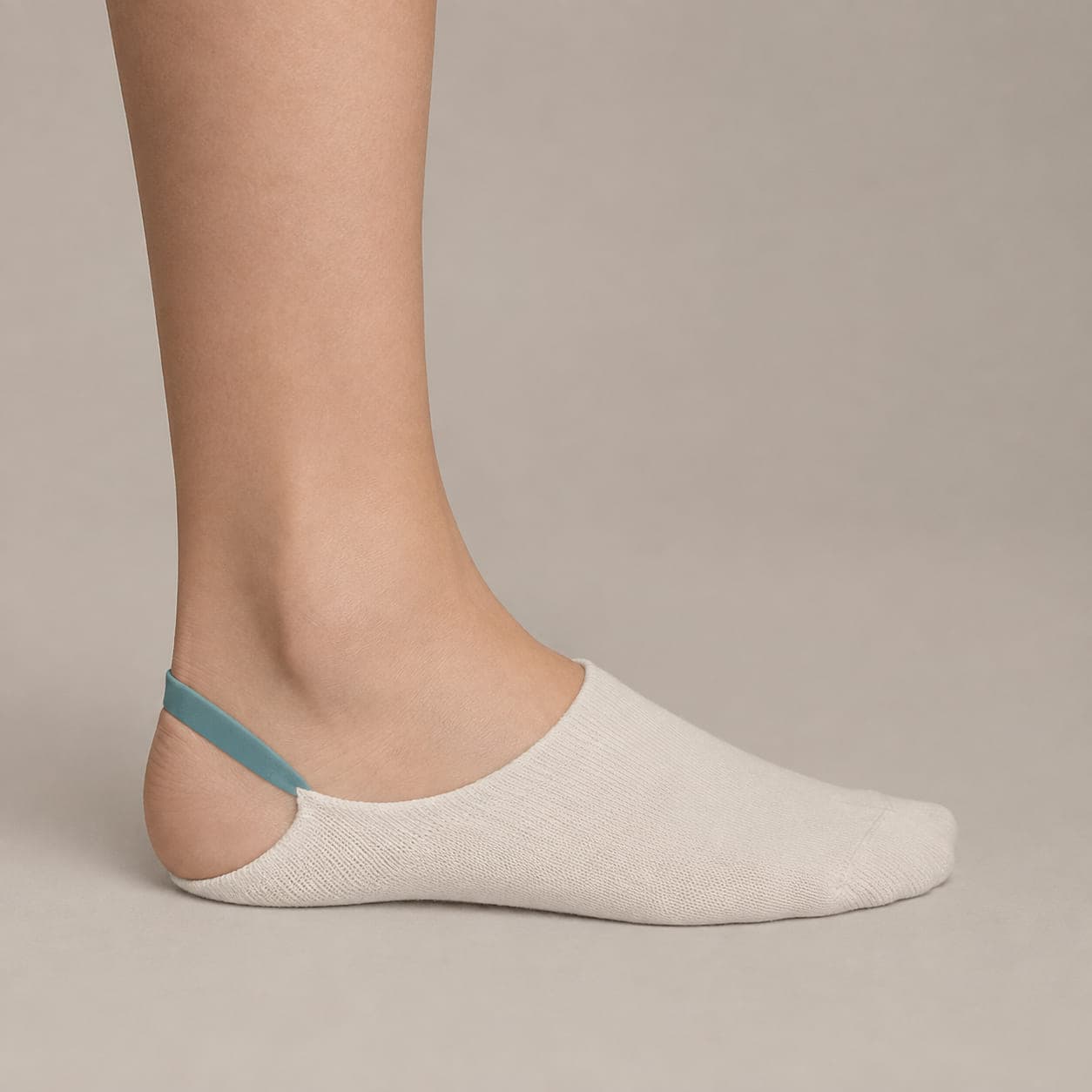
for openings up to 52 mm
USD 16With silicone
19 mm of clearance in your shoe
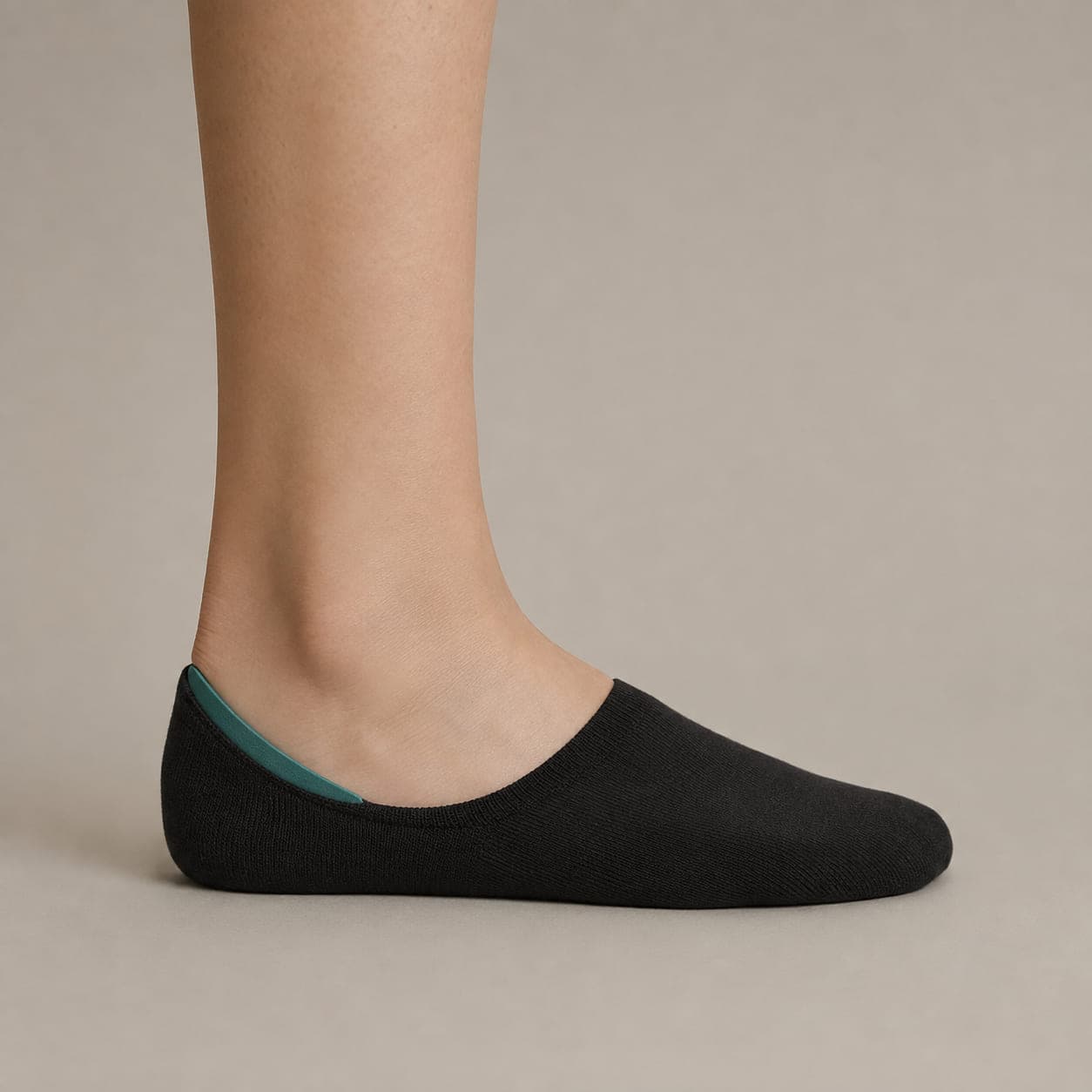
for openings up to 52 mm
USD 20With silicone
19 mm of clearance in your shoe
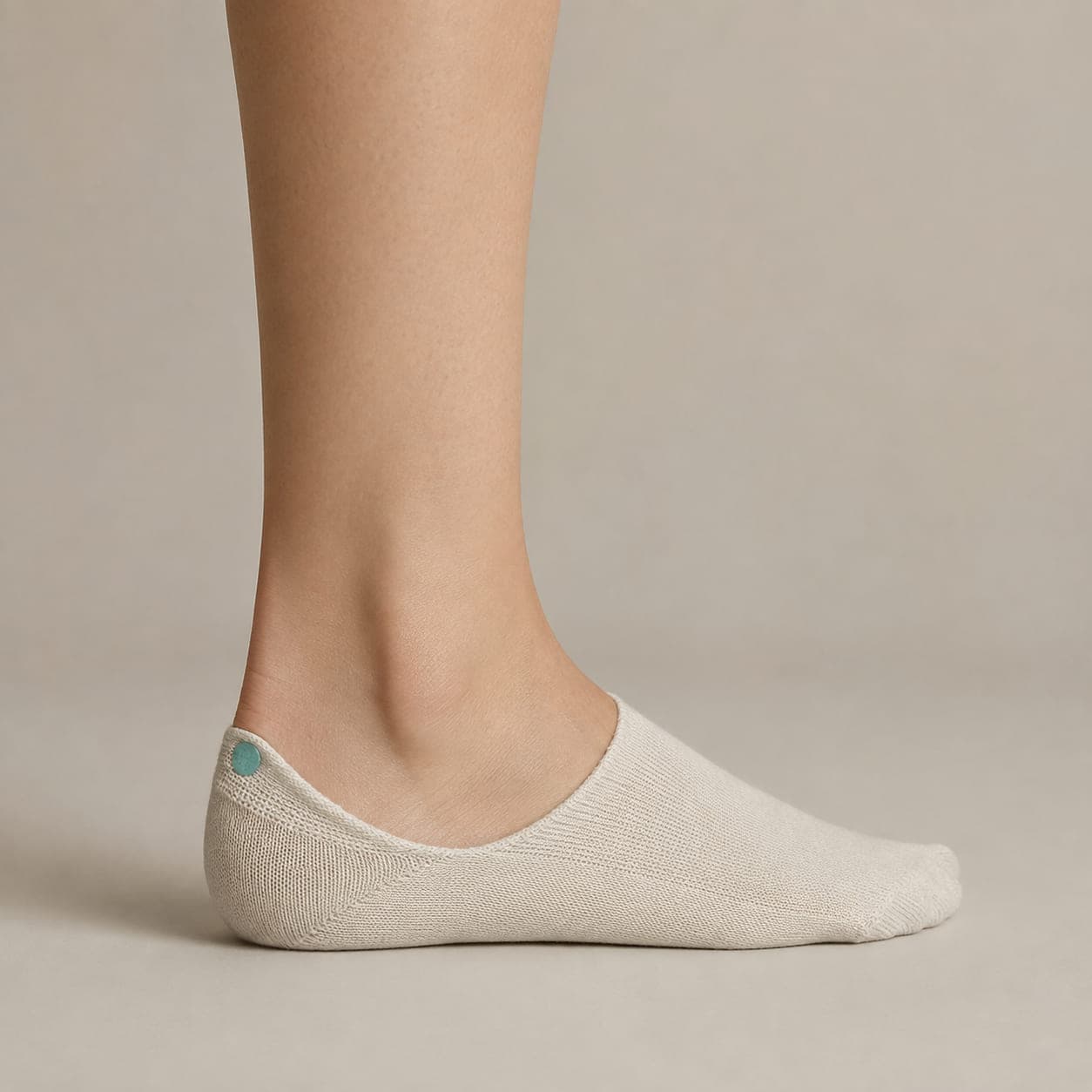
for openings up to 50 mm
USD 10With silicone
21 mm of clearance in your shoe
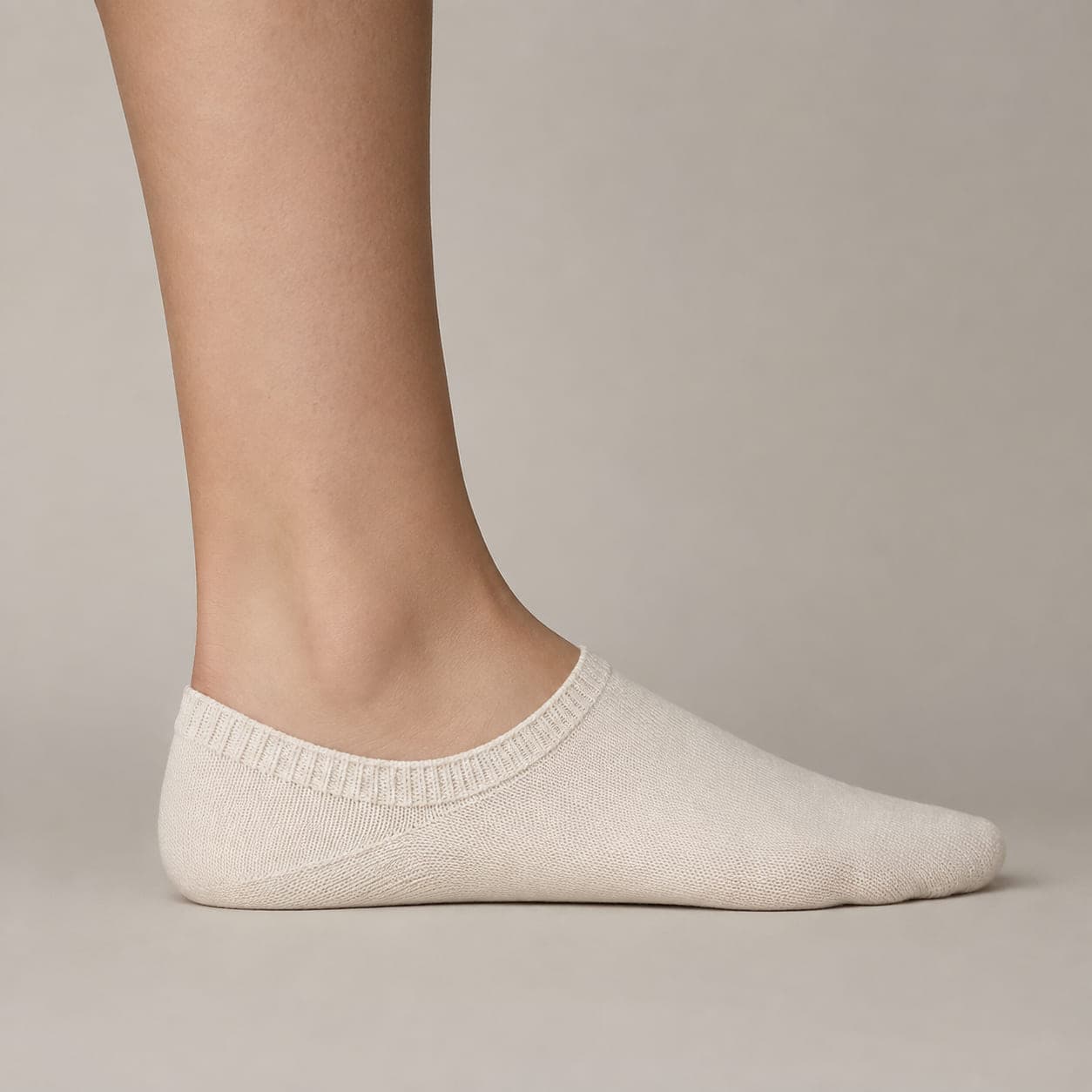
for openings up to 50 mm
USD 14No silicone
21 mm of clearance in your shoe
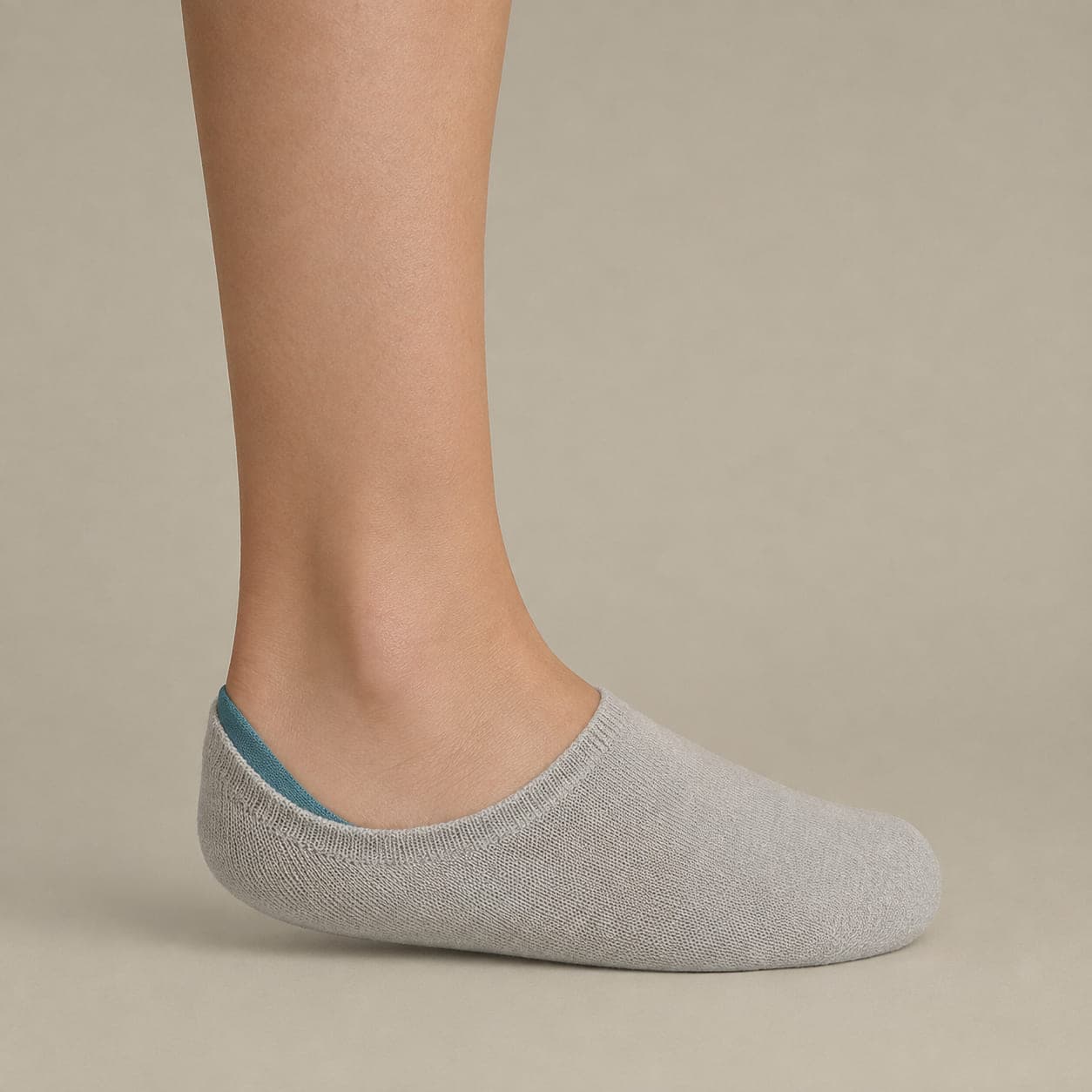
for openings up to 48 mm
USD 24With silicone
23 mm of clearance in your shoe
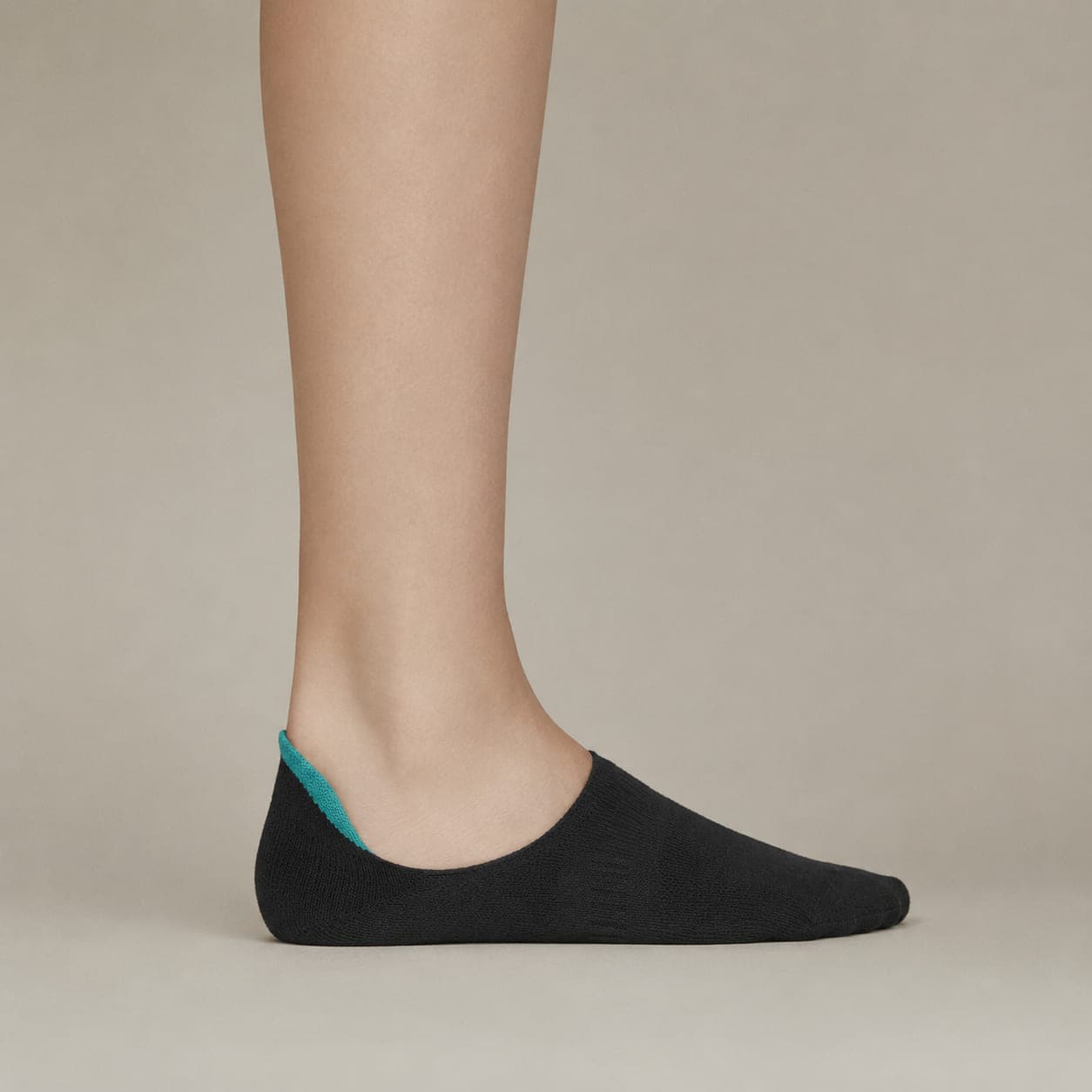
for openings up to 46 mm
USD 16With silicone
25 mm of clearance in your shoe
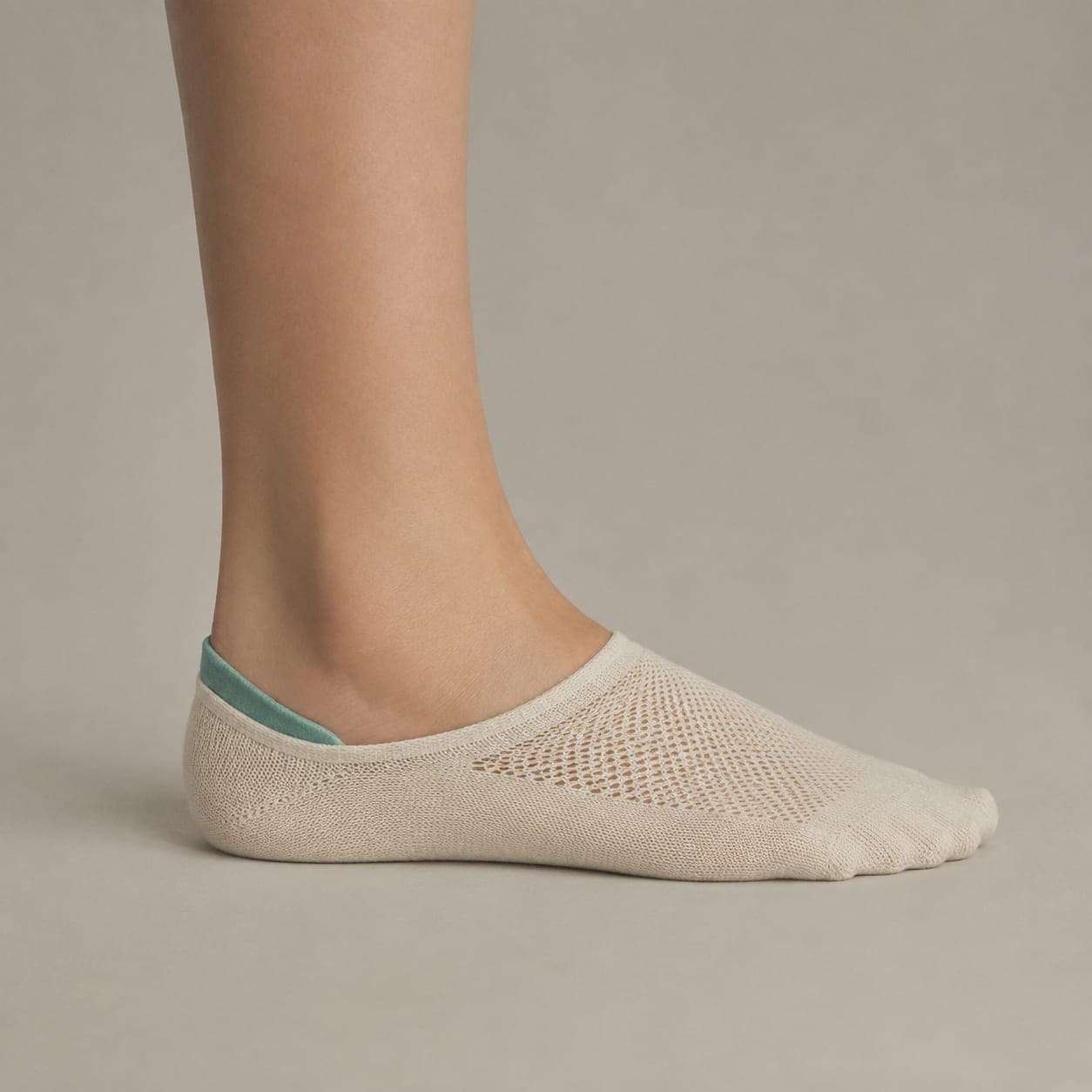
for openings up to 46 mm
USD 20With silicone
25 mm of clearance in your shoe
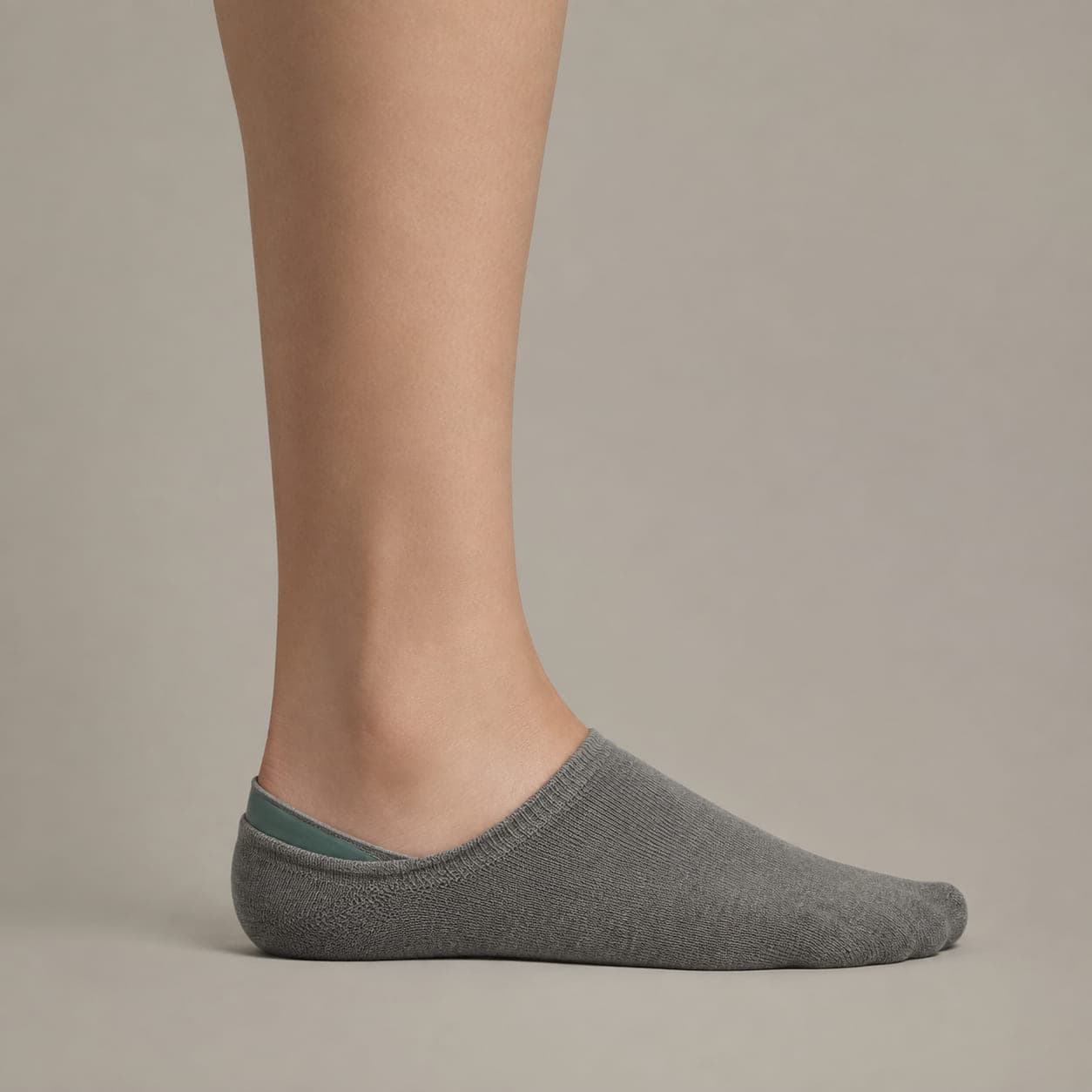
for openings up to 46 mm
USD 28With siliconeSealed
25 mm of clearance in your shoe
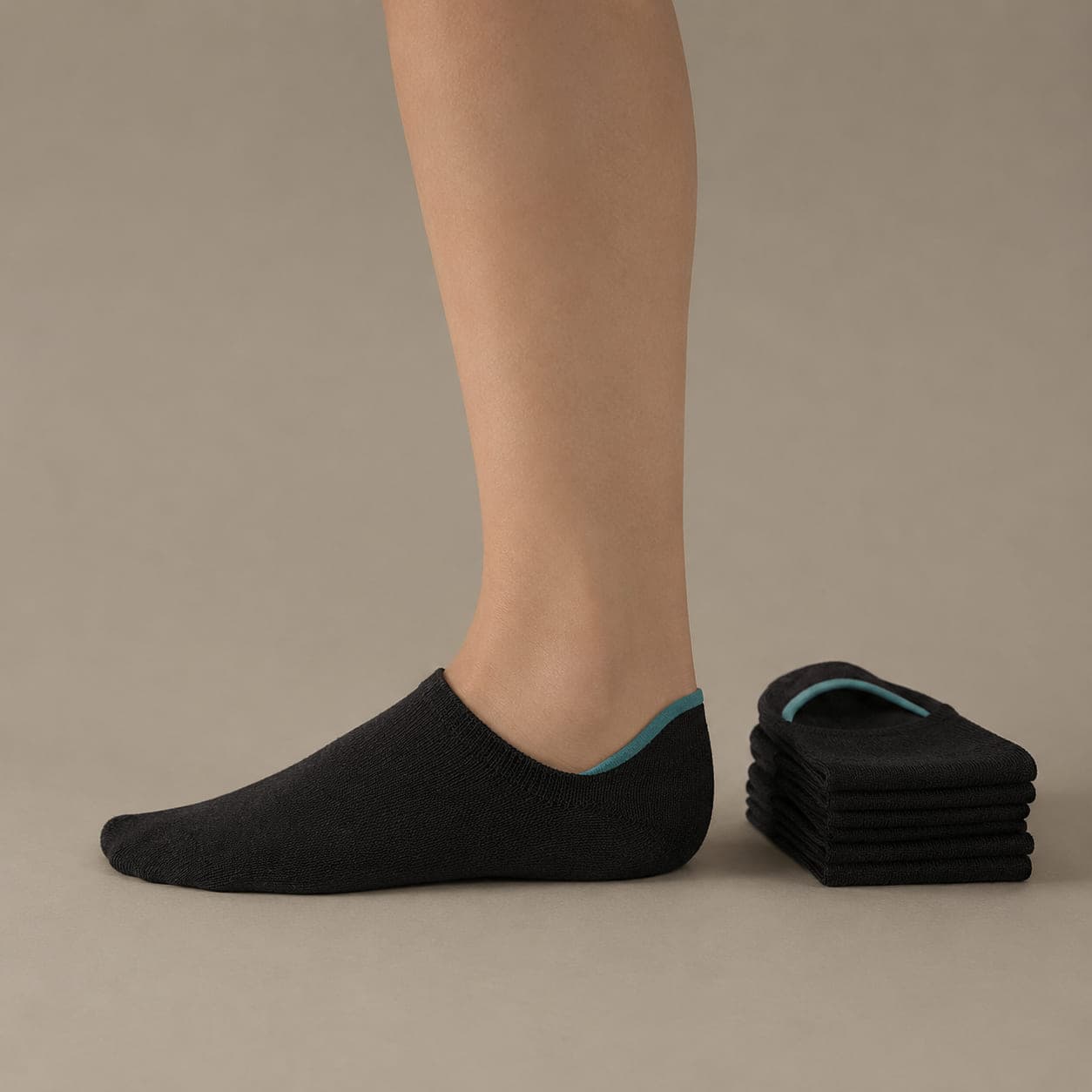
for openings up to 46 mm
USD 40With siliconeSealed
25 mm of clearance in your shoe
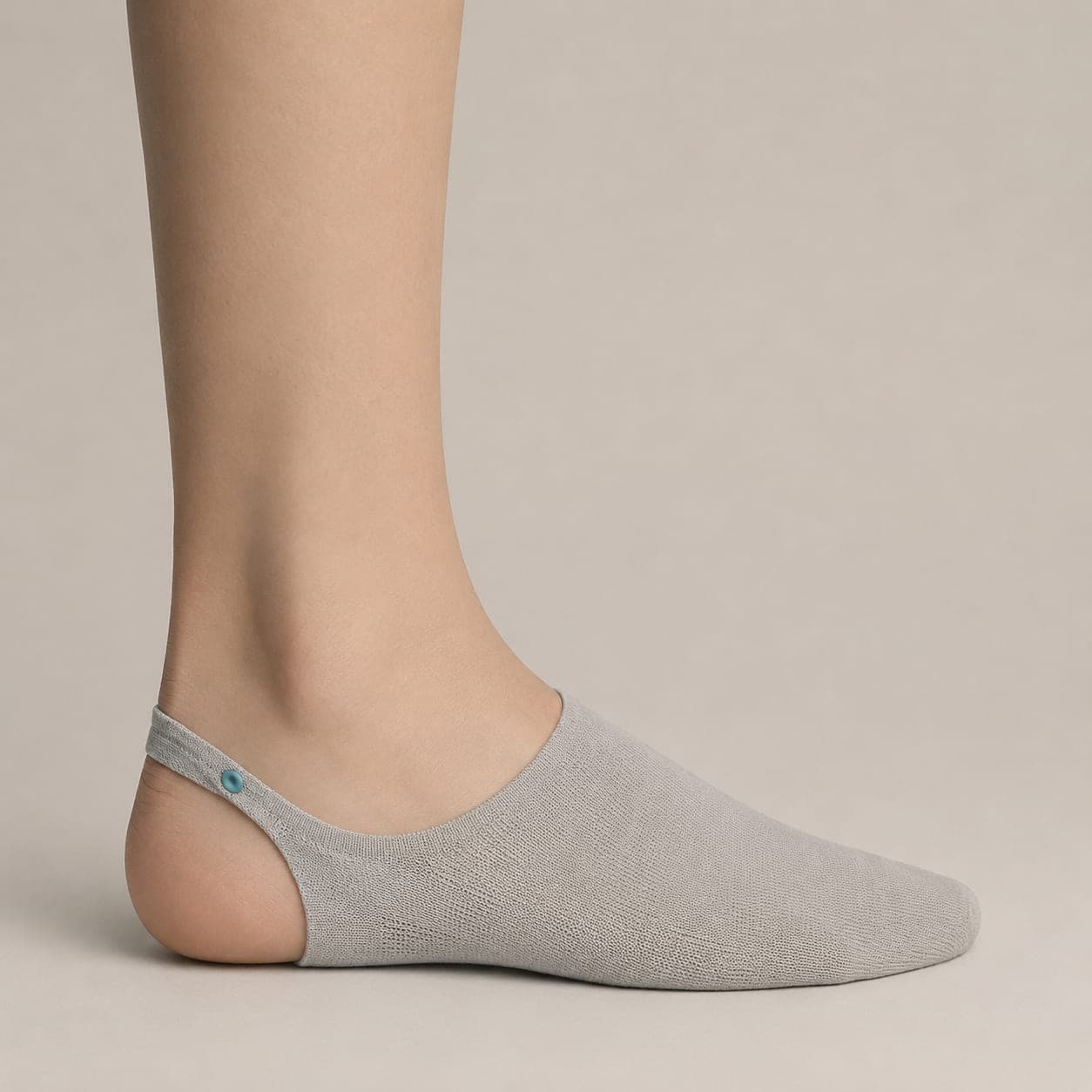
for openings up to 42 mm
USD 14With silicone
29 mm of clearance in your shoe
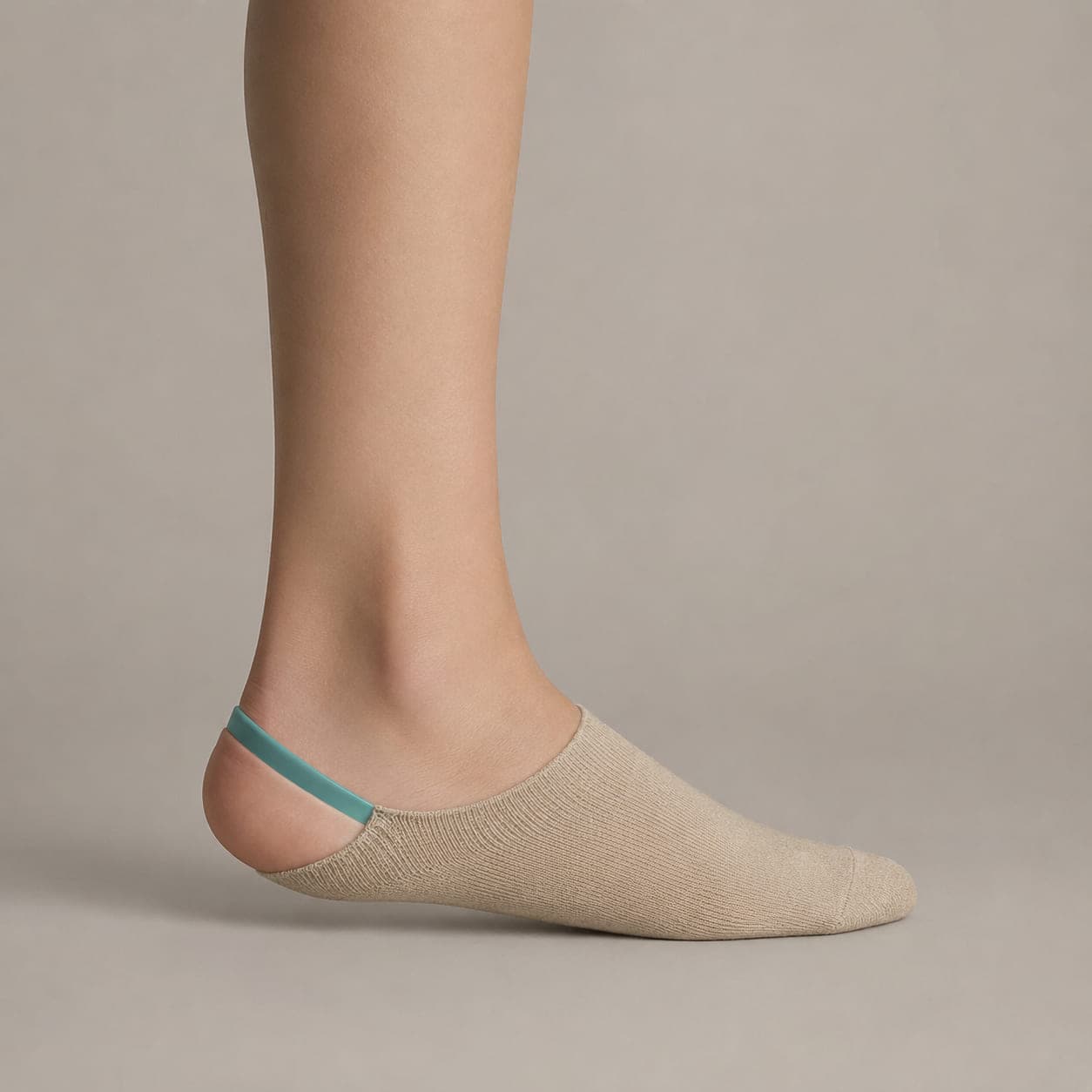
for openings up to 42 mm
USD 18With silicone
29 mm of clearance in your shoe
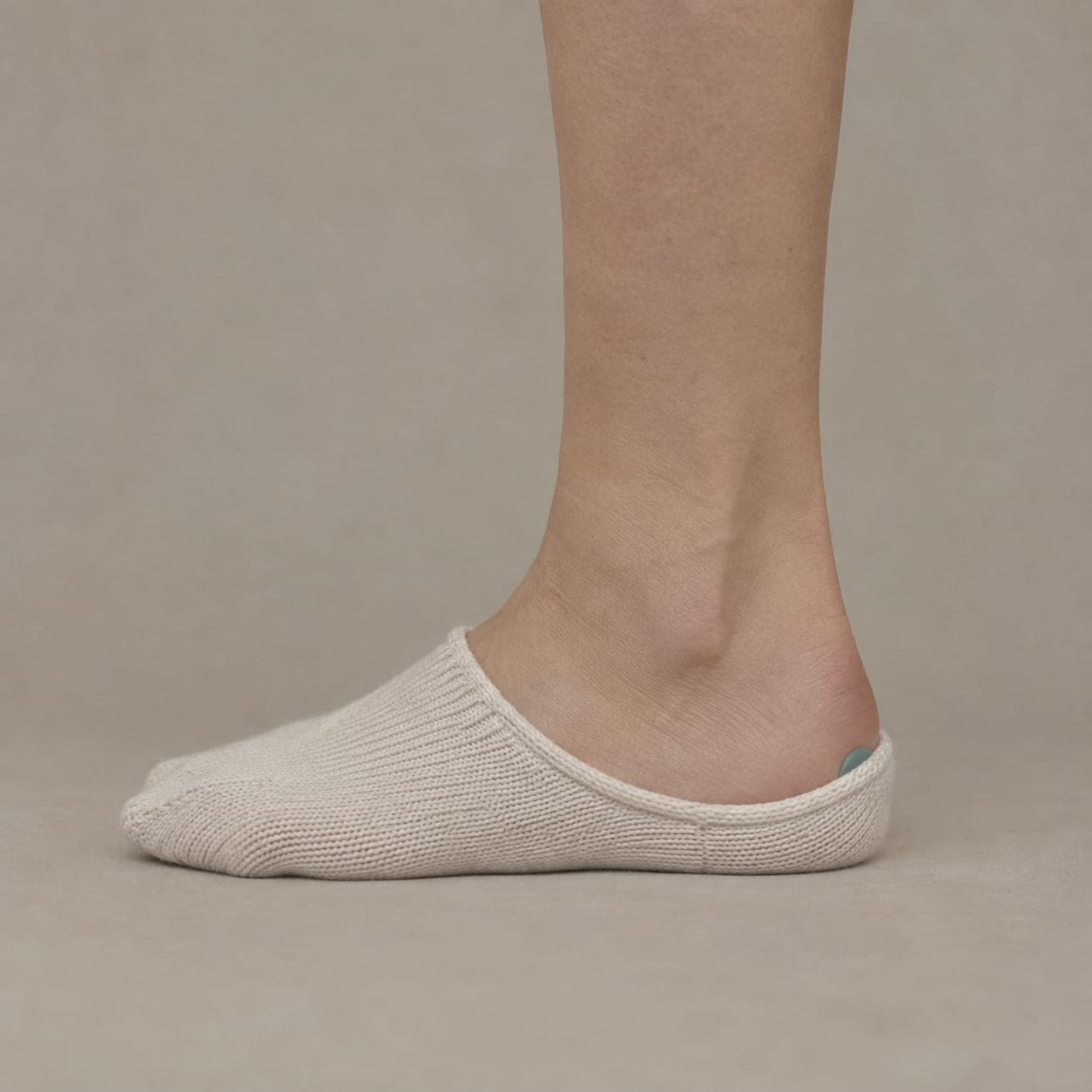
for openings up to 38 mm
USD 12With silicone
33 mm of clearance in your shoe
What we do not promise
No sock stays up in every shoe on every foot. Cuff height, heel shape, how the shoe fits and how you walk all matter. We give you the measurements so you can compare them to your own shoes.
Everything above depends on one number being right. It takes less than a minute to get it.
01
A table or a floor. Not a rug, not a shoe box. The measurement starts at whatever the sole rests on.
02
Follow the collar of the shoe round to the back. Where it dips lowest is the point that decides whether a sock shows.
03
Hold the rule upright against the outside of the heel. Read the millimetres. That single number is what we need.